
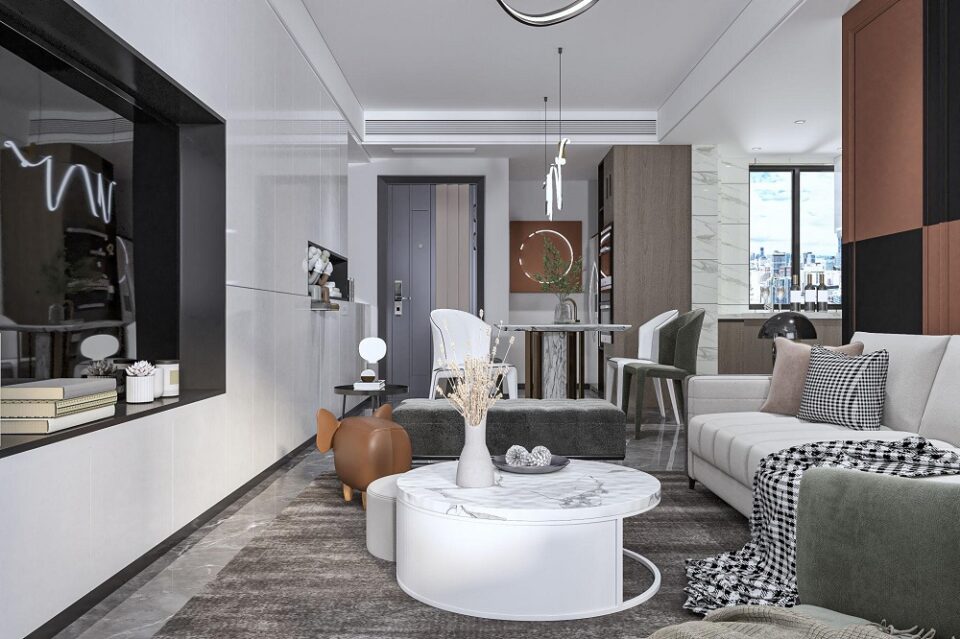
Negative space is one of the most overlooked yet powerful principles in interior design. While many homeowners focus on adding furniture, decor, artwork, and accessories, professional designers understand that what you leave out is just as important as what you include. Negative space gives a room breathing room, improves visual balance, and allows important design elements to stand out.
In interior decor, negative space refers to the empty or open areas surrounding furniture, artwork, and decorative objects. These unoccupied spaces are not wasted areas. Instead, they create structure, clarity, and harmony throughout a room.
Without negative space, interiors often feel cluttered, chaotic, and visually exhausting. Even beautiful furniture and expensive decor can lose their impact when a room is overcrowded. Thoughtful spacing, on the other hand, creates calmness and sophistication while improving the overall functionality of the home.
What Negative Space Means in Interior Design
Negative space is the intentional use of emptiness within a room. It includes blank walls, open floor areas, gaps between furniture, and uncluttered surfaces. These spaces allow the eye to rest and help highlight the room’s key design features.
Designers often compare negative space to pauses in music. Without pauses, music becomes overwhelming. Similarly, without visual breaks, interiors can feel stressful and unbalanced.
Negative space does not mean a room should look empty or unfinished. Instead, it creates a sense of order and intentionality. The goal is balance rather than minimalism alone.
Well-designed negative space can:
- Make rooms feel larger
- Improve visual flow
- Reduce stress and overstimulation
- Highlight statement pieces
- Create elegance and sophistication
- Improve room functionality
Many luxury interiors rely heavily on restraint and openness rather than excessive decoration.
Why Negative Space Creates Better Balance
Balance is one of the core principles of interior design. Negative space helps distribute visual weight evenly throughout a room.
When every wall, shelf, and corner is filled, the room begins to compete for attention. The eye struggles to determine where to focus, creating visual tension.
Negative space solves this problem by separating elements and creating visual breathing room.
For example:
- A single large artwork on a blank wall feels more impactful than several smaller crowded frames.
- A spacious living room arrangement feels more inviting than furniture packed tightly together.
- An uncluttered coffee table often looks more elegant than one overloaded with accessories.
Interior designers intentionally leave some areas open because emptiness creates contrast. That contrast helps important design elements stand out more clearly.
Negative Space Makes Rooms Feel Larger
One of the biggest advantages of negative space is its ability to make interiors appear more spacious. This is especially valuable in apartments, smaller homes, and compact rooms.
Crowded interiors visually shrink a room because every surface competes for attention. Open areas create the illusion of expansiveness and better circulation.
Designers often use negative space strategically through:
- Open floor areas
- Fewer furniture pieces
- Floating furniture layouts
- Clean-lined storage solutions
- Limited wall decor
- Simplified styling
Research from environmental psychology suggests that cluttered spaces can increase cognitive overload and stress, while organized and open environments promote calmness and improved focus. (psychologytoday.com)
This psychological effect explains why spacious interiors often feel more relaxing and luxurious.
The Relationship Between Negative Space and Minimalism
Negative space is commonly associated with minimalist interiors, but it applies to every decorating style.
Traditional, rustic, eclectic, and contemporary homes all benefit from thoughtful spacing. Even richly decorated interiors need visual pauses to prevent overwhelm.
The difference is that negative space is not about removing personality. It is about allowing the room to breathe.
For example:
- A maximalist room can still include clean sightlines and uncluttered pathways.
- A traditional interior can feature ornate furniture while maintaining open wall areas.
- A modern farmhouse can combine layered textures with restrained styling.
Successful interiors balance decoration with openness.
How Negative Space Enhances Focal Points
Every well-designed room needs a focal point. This could be:
- A fireplace
- A statement sofa
- Large artwork
- A dramatic light fixture
- Scenic windows
- Architectural details
Negative space helps draw attention to these elements.
Without surrounding space, focal points lose their visual impact. For instance, hanging artwork among dozens of smaller decorations weakens its presence. Placing a statement chair in an uncluttered corner makes it more noticeable and sophisticated.
Professional designers often simplify surrounding areas specifically to strengthen emphasis on important features.
The Emotional Benefits of Open Space
Negative space affects more than appearance. It also influences emotional comfort and mental clarity.
Homes overloaded with decor can create subconscious stress because the brain constantly processes visual information. Open spaces reduce mental fatigue and help interiors feel calmer.
Many homeowners notice that decluttered spaces feel:
- More peaceful
- Easier to clean
- Less chaotic
- More welcoming
- More organized
- Easier to navigate
This emotional response is one reason luxury hotels and upscale interiors often incorporate spacious layouts and restrained styling.
Negative Space Improves Functionality
Interior design is not only about aesthetics. Functionality matters just as much.
Negative space improves how people move through and use a room. Clear pathways and uncluttered surfaces create better usability and comfort.
Functional benefits include:
- Easier movement
- Better accessibility
- Improved furniture usability
- Enhanced lighting distribution
- Reduced visual distractions
- Better room organization
Overcrowded layouts can make even large rooms feel cramped and inefficient.
Designers often recommend removing unnecessary furniture before adding new pieces. This simple adjustment can dramatically improve both function and appearance.
The Role of Negative Space in Different Rooms
Living Rooms
In living rooms, negative space helps create comfortable conversation areas and better traffic flow.
Designers often leave:
- Space between seating pieces
- Open wall sections
- Clear walkways
- Uncluttered coffee tables
This creates a more relaxed and inviting environment.
Bedrooms
Bedrooms benefit greatly from negative space because they are intended for rest and relaxation.
An overcrowded bedroom can feel mentally exhausting. Simpler styling and open areas encourage calmness and better sleep quality.
Designers typically reduce excess decor in bedrooms by focusing on:
- Clean nightstands
- Streamlined furniture
- Limited wall art
- Soft neutral palettes
Kitchens
In kitchens, negative space improves efficiency and cleanliness.
Clear countertops instantly make kitchens appear larger and more functional. Open shelving also works best when styling remains restrained rather than overcrowded.
Bathrooms
Bathrooms feel more spa-like when surfaces remain uncluttered. Designers often use concealed storage and minimal decor to maintain openness and tranquility.
How Designers Use Negative Space Strategically
Professional designers rarely leave empty areas by accident. Negative space is carefully planned to guide visual movement throughout a room.
They use spacing to:
- Direct attention
- Create rhythm
- Balance proportions
- Enhance symmetry
- Improve sightlines
For example, spacing between furniture pieces influences how comfortable a room feels. Similarly, empty wall space can make ceilings appear taller and interiors feel brighter.
Negative space also allows textures, materials, and architectural features to stand out more effectively.
Common Mistakes That Eliminate Negative Space
Many homeowners unintentionally remove all breathing room from their interiors.
Frequent mistakes include:
Overdecorating Walls
Filling every inch of wall space with artwork or shelving creates visual clutter. Designers often prefer fewer, larger pieces rather than many small decorations.
Using Too Much Furniture
Oversized sectionals, multiple side tables, and excess seating can overwhelm a room. Proper scale matters more than quantity.
Cluttered Surfaces
Countertops, shelves, and tables packed with accessories reduce visual calmness.
Poor Furniture Arrangement
Furniture placed too closely together limits openness and circulation.
Excessive Pattern Mixing
Too many competing patterns can overwhelm the eye and reduce visual clarity.
Recognizing these issues is often the first step toward creating a more balanced interior.
Why Luxury Interiors Often Feel Spacious
Luxury interiors frequently emphasize openness rather than excess. High-end homes often include fewer decorative objects but more intentional spacing.
This approach creates:
- Better visual balance
- Cleaner sightlines
- Enhanced architectural emphasis
- Stronger focal points
- Greater comfort
Designers understand that sophistication often comes from restraint rather than abundance.
A carefully curated room with open space typically feels more elegant than a room filled with expensive but excessive decor.
How to Add More Negative Space Without Redecorating
Creating negative space does not always require buying new furniture or renovating your home.
Simple adjustments can make a significant difference:
- Remove unnecessary accessories
- Rearrange furniture for better spacing
- Clear crowded shelves
- Reduce tabletop clutter
- Leave some walls intentionally blank
- Use hidden storage solutions
- Simplify color palettes
Even small changes can dramatically improve how a room feels.
The Long-Term Value of Negative Space
Unlike trends that change frequently, negative space remains a timeless design principle. Homes that incorporate openness and balance tend to age more gracefully because they avoid visual overload.
Thoughtful spacing also allows homeowners to update decor more easily over time without making the room feel crowded.
Ultimately, negative space creates interiors that feel intentional, calming, functional, and visually refined. It helps homeowners appreciate the beauty of individual design elements rather than overwhelming the eye with constant stimulation.
The most memorable interiors are rarely the busiest ones. Instead, they are the spaces that feel balanced, comfortable, and effortless.
FAQ
What is negative space in interior design?
Negative space refers to the empty or open areas around furniture, decor, and architectural elements. It creates balance, improves visual flow, and helps rooms feel less cluttered.
Does negative space mean minimalism?
No. Negative space works in every decorating style, including traditional, eclectic, and maximalist interiors. It simply means using space intentionally.
Why do luxury homes often have more open space?
Luxury interiors often prioritize balance, openness, and visual calmness. Spacious layouts and restrained styling create a more sophisticated atmosphere.
Can negative space make a small room look bigger?
Yes. Open floor areas, reduced clutter, and thoughtful furniture spacing can make compact rooms feel significantly larger and brighter.
How do I know if my room has too much clutter?
If your eye struggles to find a focal point or the room feels visually overwhelming, there may be too many competing objects and insufficient breathing room.
Is empty wall space considered bad design?
Not at all. Empty wall space can improve balance, emphasize artwork, and create a cleaner, more elegant appearance.
What is the easiest way to create negative space in a home?
Start by removing unnecessary accessories, clearing crowded surfaces, and rearranging furniture to improve openness and movement throughout the room.
