
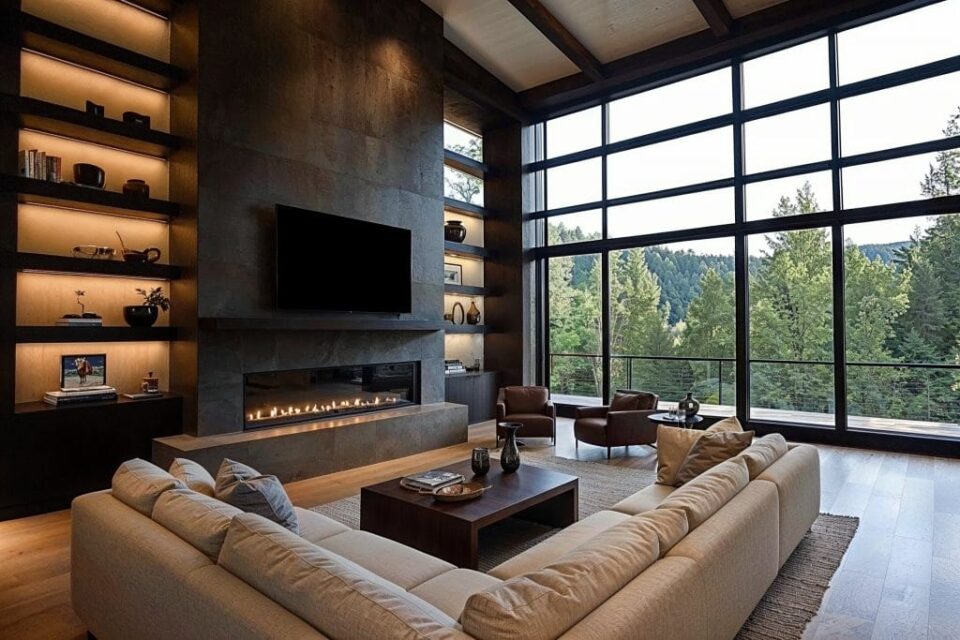
Lighting is one of the most important elements in interior design, yet it is often treated as an afterthought. A beautifully decorated room can still feel cold, flat, or uncomfortable if the lighting is poorly planned. On the other hand, thoughtful lighting can completely transform even the simplest space by adding warmth, depth, comfort, and visual balance.
Professional interior designers rarely rely on a single overhead fixture to illuminate a room. Instead, they use layered lighting to create a more flexible and visually appealing environment. Layered lighting combines multiple light sources at different heights and intensities to support both functionality and atmosphere.
When done correctly, layered lighting enhances architecture, highlights decor, improves mood, and makes rooms feel more inviting throughout the day and night.
What Layered Lighting Means in Interior Design
Layered lighting refers to the strategic use of several types of lighting within a room. Each layer serves a different purpose while working together to create balance and depth.
The three primary layers of lighting are:
- Ambient lighting
- Task lighting
- Accent lighting
Many designers also incorporate decorative lighting as an additional layer to enhance aesthetics.
A room with only one light source often feels harsh and one-dimensional. Layered lighting creates contrast, softness, and adaptability while improving the room’s overall functionality.
Why Layered Lighting Is Important
Lighting affects more than visibility. It shapes how people feel inside a space.
Properly layered lighting can:
- Create a warm atmosphere
- Improve comfort
- Make rooms appear larger
- Highlight textures and architectural details
- Support daily activities
- Reduce eye strain
- Improve mood and relaxation
Lighting also changes how colors, materials, and furniture appear. A room with poor lighting may feel dull or uninviting regardless of how expensive the decor is.
Interior designers carefully plan lighting because it directly influences the emotional and visual experience of a home.
Start With Ambient Lighting
Ambient lighting is the foundation of every lighting plan. It provides the overall illumination that allows people to move comfortably through a room.
Common ambient lighting sources include:
- Ceiling fixtures
- Chandeliers
- Recessed lighting
- Flush mounts
- Pendant lights
- Natural daylight
Ambient lighting should create even and comfortable brightness without feeling too harsh.
One of the biggest mistakes homeowners make is relying entirely on overhead lights. Single ceiling fixtures often create flat lighting and dark shadows throughout the room.
Designers typically soften ambient lighting by combining it with other layers rather than allowing it to dominate the space.
Warm-toned bulbs usually create a more inviting atmosphere compared to cool white lighting, which can sometimes feel clinical or overly bright.
Add Task Lighting for Functionality
Task lighting is designed to support specific activities such as reading, cooking, working, or applying makeup.
Unlike ambient lighting, task lighting focuses light directly where it is needed most.
Examples of task lighting include:
- Desk lamps
- Reading lamps
- Under-cabinet kitchen lighting
- Vanity lighting
- Bedside lamps
- Adjustable floor lamps
Task lighting improves functionality while reducing eye strain.
For example, kitchens benefit from under-cabinet lighting because it illuminates countertops without casting shadows. Similarly, bedside lamps provide focused lighting for reading without overwhelming the entire room.
When selecting task lighting, placement matters just as much as brightness. Lights should support activities comfortably without causing glare.
Use Accent Lighting to Create Depth
Accent lighting adds drama, dimension, and visual interest to a room. It highlights architectural features, artwork, textures, or decorative objects.
Accent lighting is often softer and more directional than ambient lighting.
Popular accent lighting options include:
- Wall sconces
- Picture lights
- LED strip lighting
- Cabinet lighting
- Spotlights
- Uplighting
This layer creates contrast and helps rooms feel more dynamic and sophisticated.
For instance, accent lighting can draw attention to:
- Artwork
- Built-in shelving
- Stone walls
- Decorative molding
- Indoor plants
- Textured materials
Without accent lighting, interiors may feel flat because every area receives the same level of illumination.
Incorporate Decorative Lighting
Decorative lighting serves both functional and aesthetic purposes. These fixtures often act as statement pieces that contribute to the room’s design style.
Examples include:
- Chandeliers
- Sculptural pendants
- Designer table lamps
- Artistic sconces
Decorative lighting helps reinforce the room’s overall personality and style.
A dramatic chandelier above a dining table or a sculptural pendant in an entryway can become a major focal point while still contributing useful illumination.
Interior designers often treat decorative lighting as jewelry for the home because it adds visual character and sophistication.
Understand the Importance of Light Placement
Even high-quality fixtures can fail if placed incorrectly.
Professional designers carefully consider:
- Height
- Direction
- Spacing
- Beam spread
- Light intensity
For example:
- Hanging pendants too high may reduce intimacy.
- Poorly positioned lamps can create unwanted shadows.
- Excess recessed lighting can make a room feel sterile.
Balanced placement helps distribute light naturally throughout the room.
Lighting at different heights also creates visual layering. Designers often combine ceiling fixtures, wall-mounted lights, and floor or table lamps to prevent interiors from feeling flat.
Use Dimmers Whenever Possible
Dimmers are one of the easiest ways to improve layered lighting.
They allow homeowners to:
- Adjust brightness levels
- Create different moods
- Improve energy efficiency
- Adapt lighting throughout the day
Bright lighting may work well during daytime activities, while softer evening lighting promotes relaxation and comfort.
Bedrooms, living rooms, dining rooms, and bathrooms all benefit from dimmable lighting systems.
Designers frequently use dimmers because flexibility is essential for creating atmosphere.
Balance Natural and Artificial Light
Natural light is a critical component of layered lighting.
Sunlight changes throughout the day, influencing how rooms feel and function. Effective interior design works with natural light rather than against it.
Ways to maximize natural light include:
- Using mirrors strategically
- Choosing lighter wall colors
- Avoiding heavy window coverings
- Keeping windows unobstructed
Natural light can then be supplemented with artificial lighting as daylight fades.
A balanced combination of both creates a more comfortable and visually appealing environment.
Layer Lighting Differently in Each Room
Every room has unique lighting needs based on function and atmosphere.
Living Rooms
Living rooms benefit from flexible lighting because they serve multiple purposes.
Effective combinations include:
- Ceiling fixtures for ambient light
- Floor lamps for reading
- Accent lighting for artwork
- Table lamps for warmth
Layering helps create a cozy yet functional environment.
Bedrooms
Bedroom lighting should feel soft and calming.
Designers often prioritize:
- Bedside lamps
- Dimmable overhead lighting
- Warm bulbs
- Minimal glare
Harsh lighting can interfere with relaxation and sleep quality.
Kitchens
Kitchens require strong task lighting while maintaining warmth and balance.
Common kitchen lighting layers include:
- Recessed ceiling lights
- Under-cabinet lighting
- Pendant lights above islands
- Accent lighting for display shelves
Task visibility is especially important in food preparation areas.
Bathrooms
Bathrooms need balanced lighting that supports grooming while still feeling comfortable.
Vanity lighting should illuminate the face evenly to reduce shadows. Designers often avoid relying solely on overhead bathroom fixtures.
Dining Rooms
Dining room lighting should create intimacy and warmth.
Chandeliers or pendants placed above the dining table usually act as the main focal point, while dimmers help adjust mood for different occasions.
Choose the Right Bulb Temperature
Color temperature dramatically affects atmosphere.
Bulbs generally range from warm to cool tones.
Warm Light
Warm lighting creates a cozy and relaxing environment. It works best in:
- Bedrooms
- Living rooms
- Dining areas
Cool Light
Cool lighting feels brighter and more energizing. It is often used in:
- Kitchens
- Bathrooms
- Workspaces
Many designers prefer warmer temperatures in residential spaces because they feel softer and more inviting.
Avoid Common Lighting Mistakes
Poor lighting decisions can undermine even the most beautiful interiors.
Common mistakes include:
Using Only Overhead Lighting
This creates flat illumination and harsh shadows.
Ignoring Dimmers
Without dimmers, rooms lose flexibility and atmosphere.
Poor Bulb Selection
Bulbs that are too cool or overly bright can make spaces feel uncomfortable.
Inconsistent Lighting Temperatures
Mixing warm and cool bulbs within the same room creates visual imbalance.
Overlighting the Space
Too much brightness can make interiors feel sterile rather than welcoming.
Forgetting Scale
Fixtures that are too small or too large can disrupt the room’s proportions.
Recognizing these issues helps create more cohesive and comfortable interiors.
Why Layered Lighting Creates More Luxurious Interiors
Luxury interiors almost always incorporate layered lighting because it creates depth, flexibility, and sophistication.
Multiple light sources prevent rooms from feeling flat while enhancing textures, materials, and architectural details.
Soft pools of light, illuminated artwork, and strategically placed lamps create visual richness that a single ceiling fixture simply cannot achieve.
Layered lighting also allows homeowners to customize atmosphere depending on the time of day or activity.
This adaptability is one reason professionally designed interiors feel more polished and inviting.
How to Start Layering Lighting in Your Home
Creating better lighting does not require a full renovation.
Simple upgrades can dramatically improve atmosphere and functionality.
Easy starting points include:
- Adding table lamps
- Installing dimmers
- Replacing harsh bulbs
- Incorporating wall sconces
- Using under-cabinet lighting
- Rearranging existing fixtures
Even small adjustments can make a room feel warmer, more comfortable, and professionally designed.
Thoughtful lighting transforms interiors because it affects both appearance and emotional experience. When lighting layers work together harmoniously, the entire home feels more balanced, functional, and welcoming.
FAQ
What are the three main layers of lighting in interior design?
The three primary lighting layers are ambient lighting, task lighting, and accent lighting. Each serves a different purpose while contributing to overall balance and atmosphere.
Why is layered lighting important?
Layered lighting creates depth, improves functionality, enhances comfort, and helps rooms feel more visually appealing and adaptable.
What type of lighting is best for living rooms?
Living rooms benefit from a mix of ambient, task, and accent lighting, including floor lamps, table lamps, ceiling fixtures, and decorative lighting.
Should all light bulbs in a room match?
Yes. Consistent color temperature creates a more cohesive and balanced appearance throughout the room.
What is the best lighting color temperature for bedrooms?
Warm lighting is generally best for bedrooms because it promotes relaxation and creates a softer atmosphere.
Can layered lighting make a room look bigger?
Yes. Proper lighting distribution reduces shadows and creates visual depth, which can make rooms appear larger and more open.
How many light sources should a room have?
Most designers recommend at least three light sources in a room to create proper layering and flexibility.
