
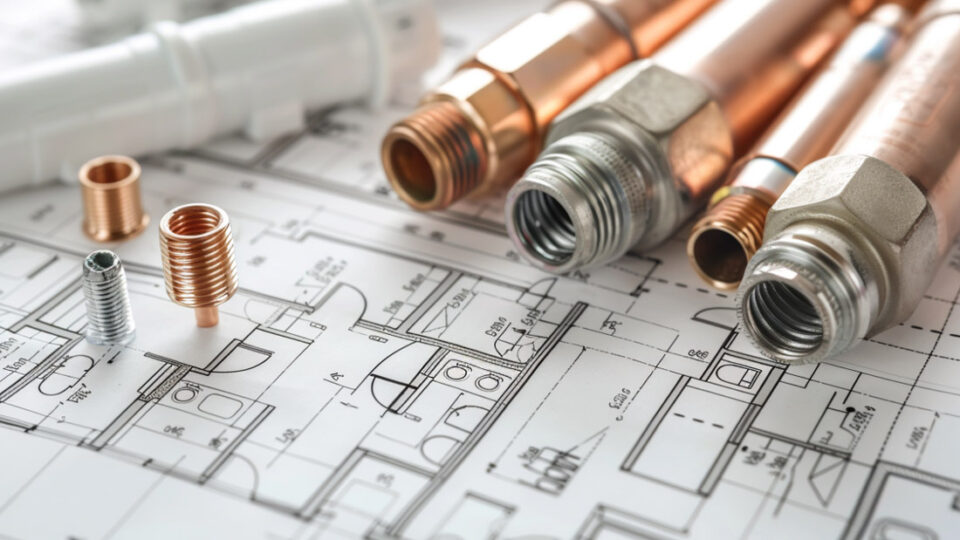
Plumbing materials play a critical role in the success of any renovation project. Whether upgrading an outdated bathroom, remodeling a kitchen, or replacing an entire plumbing system, the materials chosen will directly affect durability, water quality, maintenance requirements, and long-term costs.
Many homeowners focus heavily on visible design features during renovations while overlooking the importance of the plumbing infrastructure hidden behind walls and beneath floors. However, poor material choices can lead to leaks, corrosion, water pressure issues, and expensive repairs years later.
Choosing the right plumbing materials requires balancing performance, budget, local building codes, installation requirements, and long-term reliability. Different materials work better for specific applications, and understanding their strengths and limitations can help homeowners make informed decisions during renovation planning.
Why Plumbing Material Selection Matters
Plumbing systems are designed to last for decades, which means the materials used during renovation should support both current and future needs.
The right plumbing materials can:
- Improve water efficiency
- Reduce maintenance costs
- Prevent corrosion and leaks
- Increase system longevity
- Improve water pressure
- Support better water quality
- Add long-term value to the property
Poor material choices, on the other hand, can result in frequent repairs, contamination risks, or premature system failure.
Because plumbing is often concealed behind finished surfaces, replacing failed materials later can become costly and disruptive.
Understand the Main Categories of Plumbing Materials
Plumbing systems generally involve two major categories of piping:
- Water supply pipes
- Drain and waste pipes
Each category requires materials designed for specific functions such as water pressure resistance, drainage performance, or temperature handling.
Choosing appropriate materials depends on factors including:
- Water quality
- Climate conditions
- Budget
- Building age
- Local plumbing codes
- Installation complexity
Professional plumbers often evaluate all of these considerations before recommending materials for renovation projects.
Copper Pipes
Copper has been one of the most trusted plumbing materials for decades due to its strength and reliability.
Advantages of Copper Pipes
Copper offers several benefits:
- Long lifespan
- Corrosion resistance
- High heat tolerance
- Strong water pressure handling
- Bacteria resistance
Copper piping is often viewed as a premium option because of its durability and proven performance.
It also works well for both hot and cold water supply lines.
Disadvantages of Copper Pipes
Despite its advantages, copper has some limitations:
- Higher material cost
- More expensive installation
- Potential pinhole leaks in certain water conditions
- Susceptibility to freezing in cold climates
Installation typically requires soldering, which increases labor complexity and cost compared to newer piping systems.
Copper remains a common choice in high-quality renovations where long-term durability is a top priority.
PEX Piping
PEX, or cross-linked polyethylene piping, has become increasingly popular in residential renovations because of its flexibility and affordability.
Advantages of PEX
PEX offers several practical benefits:
- Flexible installation
- Lower cost
- Faster installation
- Resistance to freezing damage
- Fewer connection points
- Corrosion resistance
Because PEX bends easily, it often requires fewer fittings and can be installed more efficiently in tight spaces.
It also expands slightly under freezing conditions, reducing the likelihood of bursting pipes in colder climates.
Disadvantages of PEX
PEX also has some limitations:
- Vulnerability to UV exposure
- Not ideal for outdoor applications
- Potential incompatibility with certain local codes
- Lower perceived premium value compared to copper
Although highly durable, PEX must remain protected from prolonged sunlight exposure because ultraviolet light can degrade the material over time.
PEX is widely used in modern renovations due to its cost-effectiveness and ease of installation.
PVC Pipes
PVC, or polyvinyl chloride piping, is commonly used for drainage, waste, and vent systems rather than water supply lines.
Advantages of PVC
PVC offers several advantages:
- Lightweight construction
- Affordable pricing
- Corrosion resistance
- Easy installation
- Smooth water flow
Its lightweight nature makes handling and installation relatively simple compared to heavier metal piping systems.
PVC also resists chemical corrosion effectively, making it suitable for drainage applications.
Disadvantages of PVC
Potential drawbacks include:
- Limited heat resistance
- Brittle performance in extreme cold
- Less suitable for pressurized hot water systems
Because PVC softens under high temperatures, it is generally not recommended for hot water supply lines.
PVC remains one of the most widely used materials for residential drain systems because of its affordability and reliability.
CPVC Pipes
CPVC, or chlorinated polyvinyl chloride, is similar to PVC but designed to handle higher temperatures.
Advantages of CPVC
Benefits include:
- Hot water compatibility
- Corrosion resistance
- Lower cost than copper
- Easier installation
CPVC can work for both hot and cold water supply systems in residential applications.
Disadvantages of CPVC
However, CPVC has limitations:
- Brittle over time
- Potential cracking under stress
- Sensitivity to improper installation
Extreme temperature fluctuations may also affect its long-term durability.
CPVC is often selected for budget-conscious renovations where metal piping is not practical.
Galvanized Steel Pipes
Galvanized steel was once commonly used in older homes but is now far less popular in modern renovations.
Advantages of Galvanized Steel
Historically, galvanized steel offered:
- Strong durability
- High impact resistance
- Long lifespan initially
Disadvantages of Galvanized Steel
However, aging galvanized pipes frequently develop serious issues:
- Internal corrosion
- Rust buildup
- Reduced water pressure
- Water discoloration
Many renovation projects involve replacing old galvanized plumbing systems because corrosion eventually restricts water flow and compromises water quality.
Modern plumbing systems rarely use galvanized steel for residential water supply applications.
Cast Iron Pipes
Cast iron is commonly found in older drainage systems.
Advantages of Cast Iron
Benefits include:
- Excellent sound insulation
- Strong durability
- Fire resistance
Cast iron drainpipes tend to operate more quietly than plastic alternatives.
Disadvantages of Cast Iron
Drawbacks include:
- Heavy weight
- Expensive installation
- Potential rusting over time
Although still valued in some high-end applications, many homeowners replace aging cast iron systems with lighter modern materials during renovations.
Consider Water Quality and Local Conditions
Local water chemistry significantly affects plumbing material performance.
For example:
- Acidic water may corrode copper pipes
- Hard water can create mineral buildup
- Extreme cold increases freezing risks
Climate also matters.
In colder regions, flexible materials such as PEX may provide additional protection against burst pipes during freezing conditions.
Professional water testing can help determine whether certain materials may face accelerated wear based on local conditions.
Understand Local Plumbing Codes
Plumbing codes vary by location and may restrict certain materials or installation methods.
Some municipalities limit:
- Specific pipe materials
- Underground applications
- Outdoor use
- Water supply configurations
Before beginning a renovation, homeowners should verify that selected materials comply with local building regulations.
Licensed plumbers typically stay updated on regional code requirements and permit processes.
Think About Long-Term Maintenance
Different plumbing materials require different levels of maintenance and longevity expectations.
For example:
- Copper may last over 50 years with proper conditions
- PEX typically requires less maintenance
- Galvanized steel often deteriorates internally over time
Choosing low-maintenance materials can reduce future repair costs and inconvenience.
It is often worth investing slightly more upfront to avoid major plumbing issues later.
Evaluate Installation Complexity
Installation requirements affect both labor costs and project timelines.
Easier Installation Materials
Materials such as:
- PEX
- PVC
- CPVC
typically install faster and require fewer specialized tools.
More Complex Installation Materials
Materials such as:
- Copper
- Cast iron
usually involve more labor-intensive installation methods.
Complex systems may increase renovation costs due to longer labor times and higher skill requirements.
Consider Noise Levels
Plumbing noise is frequently overlooked during renovation planning.
Plastic piping systems may allow more sound transmission from running water and drainage compared to cast iron systems.
Homeowners seeking quieter interiors may benefit from:
- Pipe insulation
- Strategic pipe placement
- Sound-dampening materials
Noise reduction becomes especially important in multi-story homes or bedrooms located near bathrooms.
Match Materials to the Renovation Scope
Not every renovation requires a complete plumbing replacement.
Smaller projects may involve:
- Fixture upgrades
- Partial pipe replacement
- Appliance relocation
Larger renovations may require:
- Full system replacement
- Drainage redesign
- Water pressure upgrades
- New supply lines
The scope of the renovation often determines which materials provide the best balance of performance and budget.
Prioritize Accessibility for Future Repairs
Well-designed plumbing systems should allow future maintenance access when needed.
During renovations, homeowners should consider:
- Access panels
- Pipe routing
- Shutoff valve placement
- Appliance accessibility
Thoughtful planning reduces future repair complexity and minimizes damage during maintenance work.
Balance Budget and Longevity
Budget naturally plays a role in material selection, but the cheapest option is not always the most cost-effective over time.
A low-cost material that fails prematurely can create far greater expenses through water damage and repeated repairs.
Homeowners should evaluate:
- Initial material cost
- Labor expenses
- Lifespan expectations
- Maintenance requirements
- Repair accessibility
Balancing these factors helps ensure better long-term value.
Work With Qualified Plumbing Professionals
Professional guidance is essential during plumbing renovations because material compatibility, installation quality, and code compliance all affect system performance.
Experienced plumbers can help homeowners:
- Select appropriate materials
- Identify hidden issues
- Improve water efficiency
- Plan future upgrades
- Avoid costly mistakes
Even high-quality materials can fail if improperly installed.
A well-designed plumbing system should support the home reliably for decades while remaining safe, efficient, and easy to maintain.
FAQ
What is the best plumbing material for residential renovations?
The best material depends on the project, budget, and local conditions. Copper and PEX are among the most common choices for residential water supply systems.
Is PEX better than copper piping?
PEX is more affordable and flexible, while copper offers exceptional durability and heat resistance. Both have advantages depending on the renovation goals.
Why are galvanized steel pipes often replaced?
Older galvanized steel pipes frequently corrode internally, leading to reduced water pressure, rust, and poor water quality.
Can PVC pipes be used for hot water?
Standard PVC is generally not recommended for hot water supply lines because it cannot tolerate high temperatures effectively.
How long do copper pipes last?
Copper pipes can often last 50 years or more when installed properly and used in suitable water conditions.
What plumbing material is easiest to install?
PEX is typically considered one of the easiest plumbing materials to install because of its flexibility and reduced need for fittings.
Should plumbing be replaced during a major renovation?
If the existing plumbing system is old, corroded, or poorly configured, replacing it during renovation can prevent future problems and improve overall efficiency.
