
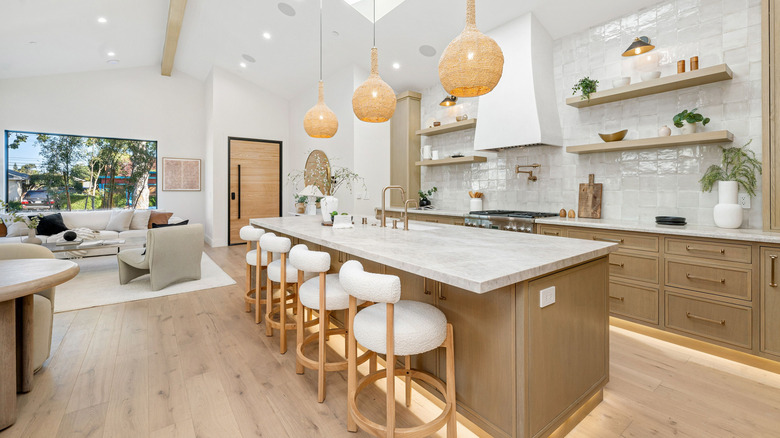
A kitchen should support both functionality and comfort. Whether preparing meals, entertaining guests, or simply moving through daily routines, the space should feel organized, efficient, and visually open. Unfortunately, many kitchens become cramped and difficult to navigate because of poor layouts, overcrowded countertops, inadequate storage, or bulky design choices.
Creating a kitchen that feels open does not always require expanding square footage or completing a full renovation. In many cases, thoughtful design decisions can dramatically improve how spacious and functional the room feels. Interior designers often focus on flow, lighting, storage, and layout because these elements shape the user experience more than expensive finishes alone.
An open and easy-to-navigate kitchen allows people to move comfortably, access essentials efficiently, and enjoy spending time in the space without feeling restricted or overwhelmed.
Prioritize an Efficient Kitchen Layout
The layout is the foundation of a functional kitchen. A poorly planned arrangement can make even a large kitchen feel frustrating to use.
Professional designers often organize kitchens around the work triangle concept, which connects the three main activity zones:
- Refrigerator
- Sink
- Stove
The goal is to minimize unnecessary movement while maintaining enough space between each area.
Common kitchen layouts include:
- Galley kitchens
- L-shaped kitchens
- U-shaped kitchens
- One-wall kitchens
- Island kitchens
Each layout can work effectively when designed with proper spacing and clear traffic flow.
A kitchen should allow people to move naturally between preparation, cooking, and cleaning areas without obstruction.
Keep Walkways Clear
One of the biggest contributors to an open-feeling kitchen is unrestricted movement. Tight walkways and crowded pathways quickly make the room feel smaller and more stressful.
Designers typically recommend maintaining enough clearance between counters, islands, and cabinetry for comfortable movement.
Common spacing guidelines include:
- Wide enough walkways for two people to pass comfortably
- Adequate clearance around islands
- Easy access to appliances and drawers
- Unobstructed entry points
A kitchen should never feel like an obstacle course. Clear circulation improves both safety and usability.
Oversized islands or bulky furniture pieces often reduce functionality instead of improving it. Proper scale matters more than adding additional features.
Maximize Natural Light
Natural light instantly makes kitchens feel more spacious and inviting. Bright interiors feel cleaner, fresher, and easier to navigate.
Ways to maximize natural light include:
- Keeping windows unobstructed
- Using light-filtering window treatments
- Installing reflective surfaces
- Choosing lighter finishes
- Adding glass cabinet doors
Mirrors and glossy finishes can also help reflect daylight throughout the room.
If natural light is limited, layered artificial lighting becomes especially important. Well-lit kitchens always feel more open than dim or shadow-filled spaces.
Use Layered Lighting
Lighting affects both functionality and atmosphere. A kitchen with poor lighting can feel cramped and uncomfortable regardless of size.
Interior designers typically layer kitchen lighting using:
- Ambient lighting
- Task lighting
- Accent lighting
Ambient Lighting
Ambient lighting provides overall illumination for the room.
Examples include:
- Recessed ceiling lights
- Flush-mount fixtures
- Pendant lighting
Task Lighting
Task lighting improves visibility in work areas.
Examples include:
- Under-cabinet lighting
- Pendant lights above islands
- Focused countertop lighting
Accent Lighting
Accent lighting adds depth and visual warmth.
Examples include:
- Interior cabinet lighting
- Toe-kick lighting
- Decorative wall sconces
Balanced lighting reduces shadows and improves visibility, making the kitchen feel more open and functional.
Reduce Countertop Clutter
Countertops filled with appliances, utensils, and miscellaneous items make kitchens appear smaller and more chaotic.
Open kitchens rely heavily on visual simplicity.
Ways to reduce clutter include:
- Storing small appliances in cabinets
- Using drawer organizers
- Limiting decorative accessories
- Keeping only daily essentials visible
- Using concealed storage solutions
Clear countertops instantly improve the perception of space.
Interior designers often emphasize that organized kitchens feel significantly larger than cluttered ones, even when square footage remains the same.
Choose Light and Reflective Finishes
Color and surface finishes strongly influence how spacious a kitchen feels.
Lighter finishes help reflect light and visually expand the room.
Popular choices include:
- White cabinetry
- Soft gray tones
- Warm neutrals
- Pale wood finishes
- Quartz countertops
- Glossy backsplashes
Reflective materials bounce light around the room, creating brightness and openness.
This does not mean kitchens must feel stark or sterile. Warm undertones and layered textures help maintain comfort while preserving visual openness.
Incorporate Smart Storage Solutions
Storage plays a major role in kitchen functionality. Without proper storage, clutter quickly takes over surfaces and walkways.
Smart storage solutions improve organization while keeping the kitchen visually clean.
Effective storage features include:
- Deep drawers
- Pull-out pantry shelves
- Vertical dividers
- Built-in organizers
- Hidden trash bins
- Corner storage systems
Well-designed storage reduces visual noise and improves efficiency.
Designers often prioritize accessibility as much as capacity. Items used most frequently should remain easy to reach without disrupting movement.
Use Open Shelving Carefully
Open shelving can make kitchens feel lighter and less enclosed, but only when styled thoughtfully.
Benefits of open shelving include:
- Improved openness
- Easier access to essentials
- Visual variety
- Decorative opportunities
However, overcrowded shelves can quickly create clutter.
To maintain balance:
- Limit displayed items
- Use coordinated dishware
- Keep shelves organized
- Avoid excessive decoration
A few curated shelves often work better than fully replacing upper cabinets.
Select Properly Scaled Furniture and Fixtures
Scale is critical in kitchen design. Oversized islands, heavy pendant lights, or bulky seating can overwhelm the room.
Professionals carefully choose appropriately sized elements based on the kitchen’s proportions.
For example:
- Smaller kitchens benefit from slimmer islands
- Streamlined stools improve circulation
- Compact fixtures reduce visual heaviness
- Lower-profile seating maintains openness
Large elements may look impressive in showrooms but feel restrictive in everyday use if scale is ignored.
Balanced proportions help kitchens feel more comfortable and navigable.
Create Visual Continuity
Consistency in materials, colors, and finishes helps kitchens feel larger and more cohesive.
Too many competing colors or textures can visually divide the room and make it feel fragmented.
Designers often create continuity through:
- Consistent flooring
- Coordinated cabinetry finishes
- Unified hardware
- Repeating tones and materials
Continuous flooring between adjoining spaces is especially effective in open-concept homes because it visually expands the kitchen into surrounding areas.
Minimize Visual Barriers
Bulky visual barriers can make kitchens feel closed off and cramped.
Designers often reduce heaviness by using:
- Glass cabinet fronts
- Open shelving
- Slim-profile furniture
- Minimalist hardware
- Floating shelves
Even replacing upper cabinets with fewer or lighter alternatives can dramatically improve openness.
Sightlines matter greatly in kitchen design. Clear visual pathways help the room feel less confined.
Use Islands Strategically
Kitchen islands can improve both functionality and openness when designed properly.
Benefits of islands include:
- Additional prep space
- Extra storage
- Casual seating
- Improved workflow
However, islands should never obstruct movement.
A poorly sized island can make navigation difficult and crowd the room. Designers carefully balance island dimensions with surrounding clearance to maintain comfort and usability.
In smaller kitchens, narrow islands or movable carts may work better than oversized permanent structures.
Keep Flooring Simple and Cohesive
Flooring influences both visual flow and room perception.
Complex patterns or abrupt flooring transitions can make kitchens feel busy.
Simpler flooring choices often create a cleaner and more expansive appearance.
Popular options include:
- Wide-plank wood flooring
- Neutral tile
- Large-format porcelain tiles
- Continuous flooring materials
Larger tiles with fewer grout lines can also make smaller kitchens appear more spacious.
Pay Attention to Appliance Placement
Appliances should support smooth movement rather than interrupting it.
Designers often consider:
- Door swing clearance
- Refrigerator accessibility
- Dishwasher positioning
- Workflow efficiency
Poor appliance placement can create bottlenecks and disrupt kitchen functionality.
Built-in appliances can also help streamline the room visually by reducing bulk and creating cleaner lines.
Add Warmth Without Overcrowding
An open kitchen should still feel welcoming and comfortable rather than cold or overly minimal.
Warmth can be introduced through:
- Natural wood tones
- Soft lighting
- Textured materials
- Upholstered seating
- Plants
- Subtle decorative accents
The key is restraint. A few carefully selected details create warmth without sacrificing openness.
Why Functionality Matters More Than Size
Many people assume large kitchens automatically feel more functional, but layout and organization matter far more than square footage.
A smaller kitchen with:
- Efficient storage
- Clear walkways
- Good lighting
- Thoughtful layout
- Reduced clutter
can feel significantly more comfortable than a larger but poorly organized kitchen.
Interior designers prioritize usability because kitchens are among the most frequently used spaces in the home.
A well-designed kitchen supports daily routines while creating an environment that feels calm, spacious, and easy to move through.
FAQ
What makes a kitchen feel more open?
Good lighting, reduced clutter, clear walkways, lighter finishes, and proper furniture scale all help create a more open-feeling kitchen.
How wide should kitchen walkways be?
Most designers recommend enough clearance for comfortable movement between counters, islands, and appliances, especially in high-traffic areas.
Are open shelves better than upper cabinets?
Open shelves can make kitchens feel lighter and more spacious, but they require careful organization to avoid visual clutter.
What colors work best for small kitchens?
Light neutrals, warm whites, pale wood tones, and soft grays typically help small kitchens feel brighter and larger.
How can I reduce kitchen clutter?
Use concealed storage, organize drawers, store small appliances out of sight, and keep countertops as clear as possible.
Do kitchen islands make small kitchens feel cramped?
Oversized islands can crowd smaller kitchens. Slim or compact islands often work better while still providing additional functionality.
What type of lighting is best for kitchens?
Layered lighting that combines ambient, task, and accent lighting creates the most functional and visually balanced kitchen environment.
