
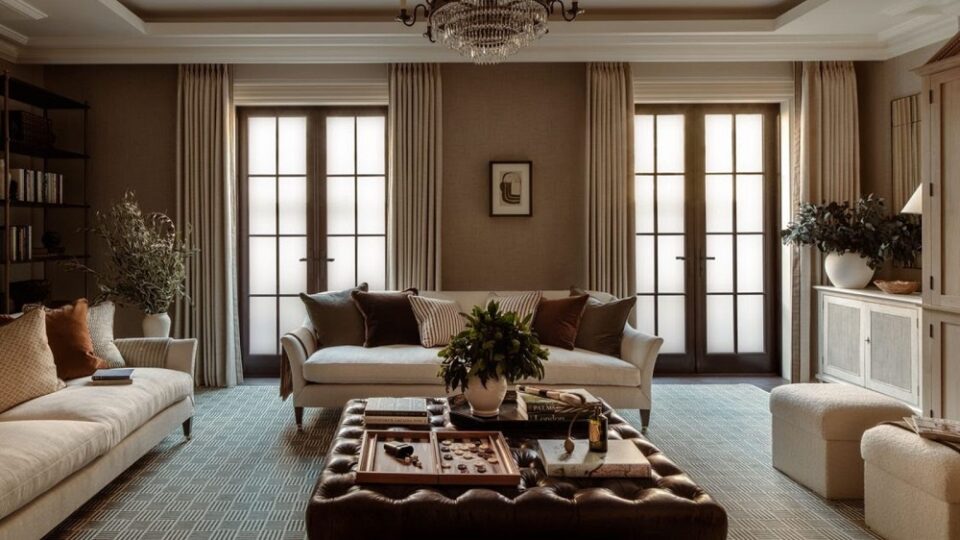
Interior design is about far more than choosing attractive furniture or following the latest trends. Professional designers are trained to read a space within seconds. The moment they walk into a home, they instantly evaluate balance, lighting, flow, texture, color harmony, and countless small details that most homeowners overlook.
While homeowners often focus on decorative accessories or expensive statement pieces, interior designers pay closer attention to the overall composition of the room. They notice whether the space feels cohesive, functional, welcoming, and visually balanced. Even subtle issues such as awkward furniture placement or inconsistent lighting can shape their first impression.
Understanding what professionals notice first can help homeowners create interiors that feel polished, comfortable, and thoughtfully designed without necessarily spending a fortune.
The Overall Layout and Flow
One of the very first things interior designers notice is how a room flows. A beautiful home can still feel uncomfortable if the layout disrupts movement or makes the space feel crowded.
Designers immediately assess whether furniture placement supports easy navigation and conversation. They look for clear walking paths, balanced spacing, and proper scale between pieces.
Common layout mistakes include:
- Oversized furniture in small rooms
- Furniture pushed against every wall
- Blocking windows or entryways
- Too many decorative items competing for attention
- Poor traffic flow between rooms
A well-designed room feels effortless to move through. Even minimalist spaces can feel luxurious when the layout is intentional and balanced.
Lighting Quality and Layering
Lighting dramatically affects how a home feels. Interior designers often say lighting can either elevate a room or completely ruin it.
Professionals look at three primary layers of lighting:
- Ambient lighting
- Task lighting
- Accent lighting
Homes that rely only on overhead ceiling fixtures tend to feel flat and uninspired. Designers prefer layered lighting that creates depth and warmth throughout the space.
Natural light also plays a huge role in first impressions. Clean windows, strategically placed mirrors, and light-colored walls can maximize brightness and make rooms feel larger.
Interior designers especially notice:
- Harsh white lighting
- Dark corners without illumination
- Mismatched bulb temperatures
- Lack of dimmers
- Poorly positioned lamps
Warm, balanced lighting instantly creates a more inviting atmosphere.
Color Palette Consistency
A cohesive color palette is another detail professionals notice immediately. Even homes with expensive furnishings can feel chaotic when colors clash or lack continuity.
Designers look for intentional color relationships between walls, furniture, textiles, and accessories. This does not mean every room should look identical, but there should be visual harmony throughout the home.
Neutral foundations paired with layered accent colors often create the most timeless interiors. Recent interior design trends continue to favor earthy tones, muted greens, warm creams, and sophisticated browns because they create calm and balance.
Strong color design usually includes:
- A dominant base color
- Secondary supporting shades
- Strategic accent colors
- Consistent undertones
When colors compete instead of complementing each other, the room quickly feels disorganized.
Furniture Scale and Proportion
Interior designers instantly evaluate whether furniture fits the room properly. Scale and proportion are foundational principles in design, yet they are among the most common homeowner mistakes.
For example:
- Tiny rugs under large furniture create imbalance
- Oversized sectionals overwhelm small living rooms
- Short curtains make ceilings appear lower
- Small artwork gets lost on large walls
Well-scaled interiors feel visually comfortable. Every piece should relate properly to the room and to surrounding furniture.
Designers often recommend investing in fewer high-quality pieces instead of overcrowding a room with smaller items.
The Condition of Walls and Architectural Details
Professionals pay close attention to the architectural framework of a home. Even subtle details such as trim, molding, ceiling height, and wall texture affect the overall impression.
Well-maintained walls and thoughtful architectural elements instantly make a home feel more refined.
Features designers notice include:
- Crown molding
- Baseboards
- Window trim
- Wall paneling
- Ceiling details
- Built-in shelving
Architectural accents help create character and sophistication. According to design experts, details such as herringbone flooring, arched openings, and built-in features can significantly elevate the appearance of a home.
Designers also quickly notice chipped paint, uneven finishes, or neglected maintenance because these details affect the perceived quality of the entire space.
Clutter and Visual Noise
Clutter is one of the fastest ways to diminish the impact of a home. Interior designers are highly sensitive to visual overload.
This does not mean homes should feel sterile or empty. Instead, designers aim for intentional styling where every object has purpose and placement.
Visual clutter often includes:
- Excess decorative accessories
- Tangled cords
- Overcrowded shelves
- Too many competing patterns
- Unorganized surfaces
Thoughtful editing creates a calmer and more sophisticated environment. Many luxury interiors actually contain fewer decorative pieces than average homes because restraint creates elegance.
Texture and Material Variety
A room without texture often feels flat regardless of how expensive the furniture may be. Interior designers notice whether a space has enough tactile contrast to create warmth and visual depth.
Texture can come from:
- Linen fabrics
- Wood finishes
- Stone surfaces
- Metal accents
- Layered textiles
- Rugs and upholstery
Successful interiors combine soft and hard surfaces to create balance. A leather chair beside a soft woven rug or a marble table paired with natural wood creates visual richness without overwhelming the space.
Layered textures are particularly important in neutral interiors because they prevent rooms from feeling cold or monotonous.
Window Treatments
Window treatments are one of the most overlooked elements in home decor, yet designers notice them immediately.
Proper curtains or drapery can completely transform a room by adding softness, height, and elegance.
Common mistakes include:
- Curtains hung too low
- Panels that are too short
- Cheap fabric choices
- Bare windows without treatment
- Overly busy patterns
Professionals often hang curtains closer to the ceiling rather than directly above windows because this creates the illusion of taller ceilings and larger rooms.
Well-designed window treatments also improve light control and enhance the room’s overall texture.
Rugs and Flooring
Interior designers pay close attention to flooring because it anchors the entire room.
An incorrectly sized rug is one of the most common design mistakes. Small rugs make furniture arrangements appear disconnected and unfinished.
Designers typically prefer rugs large enough so that at least the front legs of major furniture pieces rest on them.
Flooring quality also shapes first impressions. Hardwood floors, layered rugs, textured carpets, and patterned layouts such as herringbone designs often add visual sophistication.
The condition of flooring matters just as much as the material itself. Scratches, stains, and uneven finishes quickly attract professional attention.
Personal Style and Authenticity
Interior designers can instantly tell when a home lacks personality. Spaces that copy trends without reflecting the homeowner’s identity often feel impersonal.
The most memorable homes include personal touches such as:
- Meaningful artwork
- Collected objects
- Family heirlooms
- Unique books
- Travel souvenirs
- Customized furniture
Authenticity creates warmth and emotional connection. Designers appreciate homes that tell a story rather than simply imitate social media trends.
Many professionally admired interiors blend timeless design principles with personal expression. Homes that balance functionality and individuality tend to leave the strongest impression.
Cleanliness and Maintenance
No amount of luxury decor can compensate for poor maintenance. Interior designers immediately notice cleanliness because it impacts every aspect of the room.
Key details include:
- Dust-free surfaces
- Clean upholstery
- Organized shelves
- Spotless mirrors
- Fresh-smelling interiors
- Maintained fabrics and finishes
A well-maintained home always appears more sophisticated and expensive than a neglected one filled with costly furniture.
Balance Between Trends and Timelessness
Professionals often evaluate whether a home feels timeless or overly trend-driven. While trends can add freshness, relying too heavily on them may make a home feel dated quickly.
Timeless interiors usually include:
- Neutral foundational pieces
- Quality materials
- Classic silhouettes
- Balanced proportions
- Subtle trend accents
Instead of redesigning entire rooms around temporary trends, designers often recommend incorporating trends through pillows, artwork, or accessories that can easily be updated later.
Scent and Atmosphere
Although decor is visual, interior designers also pay attention to how a home feels emotionally. Scent, temperature, acoustics, and atmosphere all contribute to the overall experience.
A beautiful room loses impact if it smells unpleasant or feels uncomfortable.
Soft music, fresh air, candles, and natural elements often help create a welcoming environment that enhances the visual design.
The best interiors engage multiple senses while still feeling effortless and comfortable.
Why First Impressions Matter in Interior Design
First impressions shape how people emotionally respond to a space. Interior designers are trained to notice the details that influence comfort, balance, and beauty almost instantly.
Interestingly, many of the most important design elements are not necessarily expensive. Proper lighting, thoughtful layouts, cohesive colors, and reduced clutter often have a greater impact than luxury furniture alone.
A professionally styled home typically succeeds because every element works together harmoniously. The space feels intentional, functional, and visually calming from the moment someone walks in.
FAQ
What is the first thing interior designers usually notice in a room?
Interior designers typically notice the room layout and overall flow first. They assess how furniture placement affects movement, balance, and functionality within the space.
Do interior designers prefer minimal decor?
Not always. Designers prefer intentional decor rather than excessive clutter. A well-layered maximalist space can work beautifully when it feels cohesive and organized.
Why is lighting so important in interior design?
Lighting affects mood, depth, color appearance, and comfort. Layered lighting creates warmth and dimension, making spaces feel more inviting and polished.
What colors do interior designers currently favor?
Many designers currently favor warm neutrals, earthy greens, muted browns, creams, and soft natural tones because they create calm and timeless interiors.
How can I make my home look professionally designed?
Focus on cohesive colors, proper furniture scale, layered lighting, decluttering, quality textures, and intentional styling rather than filling rooms with too many decorative items.
What is the biggest decorating mistake homeowners make?
One of the most common mistakes is poor furniture scale and placement. Oversized furniture, undersized rugs, and overcrowded layouts can make rooms feel awkward and unbalanced.
Do expensive furniture pieces automatically make a home look luxurious?
No. Luxury comes from thoughtful design, balance, maintenance, and cohesion. Even affordable spaces can look elegant when designed intentionally.
