
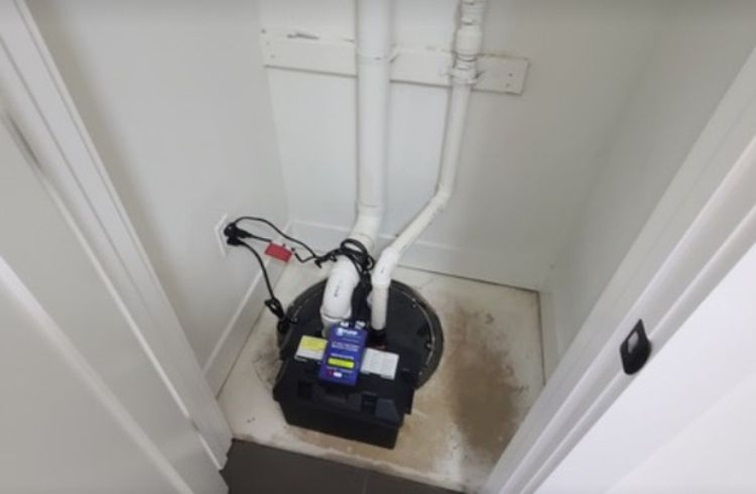
A sump pump can sit quietly for months and suddenly become one of the most important pieces of equipment in your basement. When heavy rain or rising groundwater sends water toward the sump basin, the pump needs to start, move water out, and shut off correctly. Strange noises, frequent cycling, slow pumping, or a pump that will not start can signal trouble.
When comparing sump pump repair fredericksburg va options, start with an inspection of the pump, float switch, discharge line, check valve, power supply, and sump basin. Sump pump repair makes sense when the problem is limited to a serviceable part and the rest of the system is still in good condition. Replacement becomes more practical when several parts are worn, or the pump can no longer keep up with incoming water.
Why Sump Pump Repair Starts With The Cause
A sump pump problem may come from the motor, float switch, power source, clogged intake, blocked discharge pipe, check valve, or basin. Treating the wrong part can leave the real problem in place. A pump that runs constantly may be responding to heavy water flow, while another pump may run constantly because the float is stuck.
Testing the system helps separate a simple repair from a larger failure. A technician may check how quickly the basin fills, how the float moves, how much water the pump removes, and whether water returns through the discharge line after the pump stops.
Common Sump Pump Problems
One of the most common problems is a float switch that cannot move freely. Debris, a shifted pump, or a crowded basin can keep the float from rising or falling as designed. A clogged intake may also reduce water flow and force the motor to work harder.
Discharge problems matter too. A blocked pipe, a frozen outlet, a damaged check valve, or a poor discharge location can send water back toward the basin. The pump may cycle repeatedly because it keeps moving the same water instead of sending it safely away from the foundation.
Signs Your Sump Pump May Be Going Bad
Pay attention to changes in sound and behavior. Grinding, rattling, humming without pumping, frequent cycling, slow drainage, or unusual vibration can point to worn or blocked components. A pump that runs much longer than usual may be struggling with increased water flow or reduced performance.
You should also watch the water level in the basin during wet weather. If water rises close to the top before the pump starts, the switch may need adjustment or service. If the pump starts but the water level barely drops, the discharge line or pump capacity may need attention.
When Repair Makes Sense
Repair may be reasonable when the pump is fairly new, and the problem involves a replaceable component such as the float switch, check valve, power connection, or discharge fitting. Cleaning debris from the intake or correcting a blocked discharge route may also restore normal operation.
The condition of the motor matters. If the motor starts smoothly, moves water at the expected rate, and does not overheat, replacing a smaller failed part may be practical. The repair should still include a full system test before the pump is returned to service.
When Replacement Makes More Sense
Replacement may be the better choice when the motor is failing, the housing is damaged, corrosion is widespread, or the pump has become unreliable. Repeated repairs within a short period may also suggest the system is reaching the end of its useful service life.
Capacity is another factor. A pump can still run and yet be too small for the amount of water entering the basin. If the water level rises faster than the pump can remove it during storms, a larger or better matched system may be needed.
How Long Does A Sump Pump Last?
There is no single lifespan that applies to every pump. Service life depends on pump quality, how often it runs, water conditions, debris, electrical stability, installation quality, and maintenance. A pump that runs only during occasional storms may experience less wear than one that cycles every day.
Age should be considered together with performance. An older pump that has begun making noise, cycling often, or losing capacity deserves closer attention because multiple parts may be wearing at the same time.
Backup Protection Can Matter
A working primary pump still depends on electricity unless another power source is available. Storms that bring heavy rain may also cause outages, creating the exact moment when the pump is needed most. Battery backup systems or secondary pumps can provide another layer of protection.
EPA indoor air quality guidance notes that an interior drain tile and sump pump may be used to remove water from basements when exterior drainage is limited. A backup system should still be tested with the primary pump so you know how it will respond when power fails or incoming water increases.
Conclusion
Sump Pump Repair makes sense when a specific part has failed, and the rest of the system still performs well. Replacement becomes more practical when the motor is worn, the pump is undersized, repairs keep returning, or reliability has dropped. Testing the complete system gives you a clearer answer than judging the pump by age alone.
Fredericksburg Basement Waterproofing Experts evaluate sump pumps, basins, float switches, discharge lines, check valves, and backup options before recommending work. Schedule an inspection when your pump becomes noisy, cycles constantly, drains slowly, or fails to start. A clear diagnosis helps you decide between repair and replacement before the next heavy rain puts the system under pressure.
