
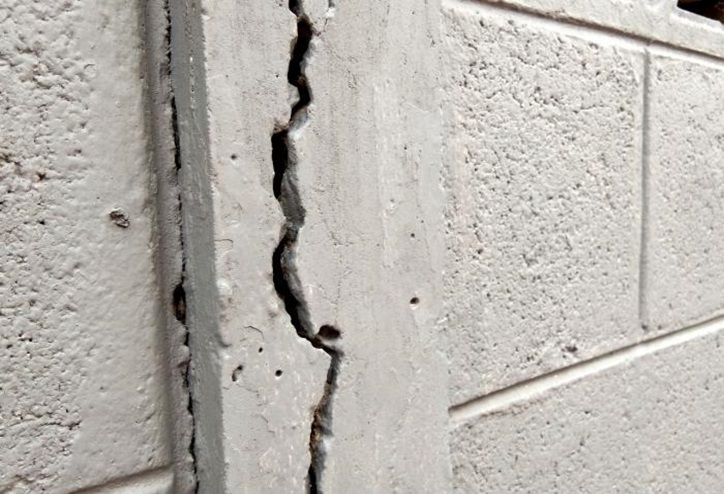
A strong foundation is essential to keeping a home safe, comfortable, and structurally sound. While walls, floors, and roofing receive plenty of attention, the foundation often goes unnoticed until something unusual appears. Small cracks, uneven floors, or doors that suddenly stick may seem like minor inconveniences, but they can signal changes beneath the structure.
A foundation inspection in Hammond offers valuable insight into a home’s overall condition by identifying early signs of movement, moisture problems, and structural stress. Understanding these warning signs helps property owners make informed decisions about maintenance and repairs before minor concerns become expensive problems.
Foundation issues don’t always mean a home is in serious trouble. Many problems are manageable when identified early. Learning what inspectors examine and what their findings reveal is an important step toward protecting a home’s long-term stability.
What Happens During a Professional Foundation Evaluation?
A professional evaluation involves examining different areas of a home to identify conditions that may affect its structural support. Inspectors typically begin outside, looking for visible cracks, uneven surfaces, and signs of movement along foundation walls.
Inside the home, they may check floors, walls, door frames, and windows for alignment issues. Basements and crawl spaces also provide important clues, especially when moisture, damaged supports, or deteriorating materials are present.
Drainage conditions are another important part of the evaluation. Inspectors may examine gutters, downspouts, and the slope of the surrounding ground to determine if water collects near the foundation.
Rather than focusing on one isolated problem, a thorough assessment considers how different warning signs relate to one another. This broader perspective makes it easier to determine when further investigation is necessary.
How Foundation Cracks Reveal Structural Changes
Cracks are among the most recognizable signs of foundation problems. However, their appearance doesn’t always indicate serious structural damage. The direction, location, and progression of a crack often clue you into what caused it.
Vertical cracks can develop as concrete shrinks during curing or as a structure settles slightly. Horizontal cracks may suggest pressure against foundation walls, particularly when accompanied by bowing or inward movement.
Stair-step cracks commonly appear along mortar joints in brick or block foundations. These patterns may develop when different sections of a structure settle at different rates.
Cracks that continue widening deserve particular attention because they may indicate ongoing movement.
During a foundation inspection, professionals examine these patterns alongside other structural conditions. Their findings may indicate that monitoring is sufficient or that additional evaluation by a structural engineer is needed.
What Uneven Floors and Sticking Doors Reveal
Foundation movement doesn’t always create obvious cracks along exterior walls. Sometimes, the earliest warning signs appear inside the home.
Noticeably sloping floors or uneven floors may indicate changes in structural support. However, damaged floor framing, aging materials, and construction irregularities may produce similar conditions.
Doors that suddenly become difficult to close may also suggest movement. As a building shifts, door frames sometimes lose their original alignment. Windows may become harder to operate for similar reasons.
Another warning sign involves gaps appearing between walls, ceilings, and trim. Although small gaps may result from normal changes in building materials, expanding separation deserves closer attention.
Several symptoms together are often more concerning than one isolated issue. Tracking when these changes appear and how quickly they progress provides useful information during a professional evaluation.
How Soil Conditions Affect Long-Term Foundation Stability
The soil beneath a home plays a major role in supporting its weight. Different soil types respond to moisture and pressure differently, which can affect how a foundation performs over time.
Expansive clay is particularly sensitive to moisture changes. It swells as it absorbs water and shrinks during dry periods. Repeated expansion and contraction may place uneven pressure on a foundation.
Poorly compacted soil presents another concern. If the ground wasn’t properly prepared before construction, certain areas may settle more than others.
Erosion also affects stability. Water flowing beneath or around a structure may gradually carry away soil, potentially reducing support in affected areas.
The U.S. Geological Survey (USGS) provides information about geological conditions and natural processes that influence the ground beneath buildings.
Understanding local soil characteristics gives property owners a clearer picture of potential risks and encourages better maintenance decisions.
Why Drainage Problems Matter More Than You Think
Water is one of the most important environmental factors affecting foundation performance. When rainwater collects around a home, it can increase soil movement, put pressure on basement walls, and contribute to moisture intrusion.
Clogged gutters are a common source of trouble. When gutters overflow, large amounts of roof runoff may collect directly beside the foundation.
Downspouts that release water too close to the house create similar conditions. Improper grading can worsen the situation by directing surface water toward the structure.
Standing water near foundation walls may indicate the need for drainage improvements.
A foundation inspection may reveal moisture patterns, drainage concerns, and visible damage associated with prolonged water exposure.
Simple maintenance practices make a meaningful difference. Cleaning gutters, directing downspouts away from the structure, and maintaining proper ground slopes reduce unnecessary moisture around the foundation.
When Does Foundation Movement Become a Serious Concern?
Some settling is expected as buildings age and surrounding soil adjusts. The challenge is recognizing when movement becomes excessive or continues progressing.
Several warning signs deserve prompt attention:
- Cracks that grow wider or longer over time
- Foundation walls that bow, lean, or shift inward
- Floors that become increasingly uneven
- Doors and windows that repeatedly lose alignment
- Water intrusion accompanied by visible structural changes
These symptoms don’t automatically mean extensive repairs are necessary. However, they may indicate conditions that require professional investigation.
A qualified structural engineer may evaluate significant movement, identify contributing factors, and determine if structural repairs are appropriate.
Property owners may also benefit from taking dated photographs of visible changes. Keeping records makes it easier to identify developing patterns and explain concerns during future evaluations.
How Regular Evaluations Support Preventive Maintenance
Waiting until structural damage becomes obvious may limit repair options and increase expenses. A more practical approach is to monitor the home’s condition and respond when new warning signs appear.
Routine observation helps property owners spot changes in cracks, floors, walls, and drainage. Maintaining records of previous repairs also provides valuable context when concerns develop.
Scheduling a foundation inspection can be especially useful before purchasing a property, after noticing new structural symptoms, or when reviewing previously repaired areas.
Professional findings may also guide maintenance priorities. Some properties benefit from drainage improvements, while others require additional structural investigation.
No single inspection schedule fits every home. Building age, soil conditions, previous damage, and professional guidance should influence how frequently evaluations occur.
Staying aware of changing conditions allows property owners to make thoughtful decisions instead of reacting only when major problems appear.
Conclusion
A home’s foundation supports everything above it. Cracks, uneven floors, drainage concerns, and soil movement may reveal important information about how that support system is performing.
Recognizing early warning signs lets you investigate problems before they become harder to manage. Proper drainage, routine observation, and professional evaluations help maintain structural stability over time.
If you’ve noticed foundation cracks, uneven settling, or other signs of structural movement, Hammond Foundation Repair Pros provides foundation evaluation and repair services to identify potential concerns and determine appropriate solutions. Contact Hammond Foundation Repair Pros today to discuss your home’s condition and take the next step toward protecting its long-term stability.
