
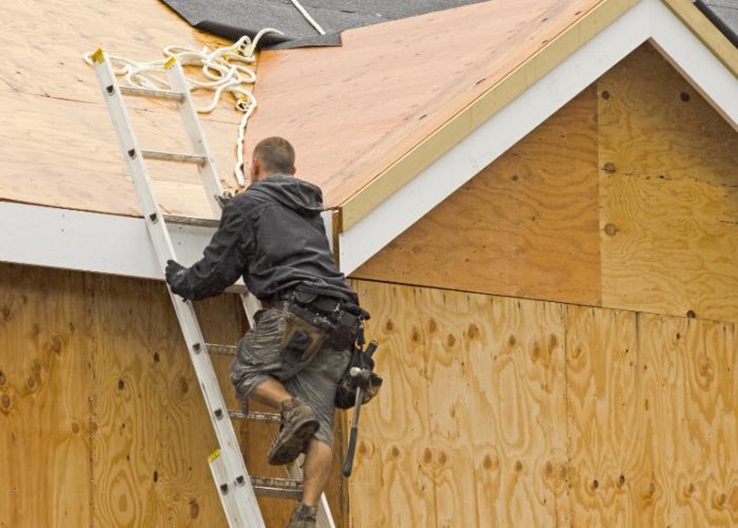
The roof is one of the largest exterior components of a house, but homeowners may not think about it until there is an obvious problem. Its condition can influence other areas of the property, from ceilings and attic spaces to gutters and exterior finishes. Paying attention to residential roofing in New London as part of regular home maintenance can help homeowners recognize changes and address concerns before planning other improvements around the property.
Homeowners who notice signs of roofing wear or are unsure about the condition of an existing system can find local roofing information at newlondonroofers.com. Understanding how the roof interacts with other parts of the house can also make it easier to prioritize maintenance and decide when a professional evaluation may be appropriate.
Roofing Is Connected to More Than the Attic
It is easy to think of a roof as a separate layer sitting above the rest of the house. In reality, several parts of the property interact with it.
Roof edges meet gutters, exterior walls connect with flashing and drainage areas, and vents or chimneys create openings through the roofing system. Inside the home, ceilings and attic spaces may provide early clues when something changes above them.
Because these components are connected, a roofing issue may eventually show up somewhere other than the roof itself. Looking at the house as a complete system provides better context when investigating unusual changes.
Water Has to Go Somewhere
One of the roof’s most important jobs is helping direct water away from vulnerable areas of the property.
Roof slopes, valleys, flashing, gutters, and downspouts all contribute to this process. If debris blocks drainage or one component becomes damaged, water may begin moving differently around the structure.
Homeowners can observe gutters and downspouts during rainfall from a safe location. Consistent overflowing, unusual drainage, or water collecting where it previously did not may deserve further investigation.
Regularly clearing accessible drainage areas can also help prevent leaves and other debris from interfering with normal water movement.
Exterior Changes Can Provide Early Clues
Homeowners do not need to climb onto the roof to notice potential concerns.
A visual check from the ground may reveal missing materials, sections that appear different from surrounding areas, or debris that has fallen near the house. Binoculars can provide a closer look without the safety risks of climbing onto the roof.
These observations are particularly useful after severe weather.
If something appears different, taking a photograph can create a reference point. Homeowners can compare the area later or provide the image when requesting a professional evaluation of residential roofing in New London.
Interior Spaces Can Tell Part of the Story
Not every roofing concern becomes obvious outside first.
A new ceiling stain, unexplained discoloration, or visible moisture in an accessible attic may indicate that something needs investigation. Homeowners should pay attention to when these changes appear and whether they become more noticeable after rainfall.
However, the location of an interior symptom does not necessarily reveal the exact exterior source.
Water can move along materials before becoming visible inside the living space. That is why simply assuming the roof directly above a stain needs repair may lead homeowners to focus on the wrong area.
Gutters and Roof Edges Deserve Attention
Gutters may seem like a separate home maintenance item, but they work closely with the roofing system.
Leaves, twigs, and other debris can restrict drainage. Gutters can also loosen or become damaged over time, potentially changing how water moves away from the roofline.
Roof edges are worth observing at the same time.
Homeowners may notice material changes, unusual staining, or areas where water behaves differently during rain. These observations can provide useful information when discussing the property’s overall condition with a roofing professional.
Trees Can Affect Roof Maintenance
Mature trees can add character and shade to a property, but they can also influence roof maintenance.
Leaves and small branches may accumulate on roofing surfaces or in gutters. Nearby branches can also make some areas harder to see from the ground.
Homeowners can include the roof in routine yard maintenance planning.
This does not mean removing healthy trees simply because they are near the house. Instead, homeowners can monitor how surrounding vegetation interacts with the roof and seek appropriate professional assistance when tree work is necessary.
Other Exterior Projects Should Consider the Roof
Home improvements often happen gradually rather than all at once.
A homeowner might replace gutters one year, update siding later, and eventually plan new windows or exterior paint. The roof should be considered when determining the sequence of these projects.
For example, if roofing work is likely in the near future, homeowners may want to discuss how it could interact with planned gutter, chimney, or exterior improvements.
Thinking about residential roofing in New London as part of the larger exterior can help homeowners coordinate projects instead of treating every improvement as completely independent.
Keep a Record of Roofing Work
Home maintenance becomes easier to track when homeowners keep basic records.
Inspection reports, repair invoices, warranties, photographs, material information, and installation documents can all be stored together. Even a simple digital folder can create a useful roof history.
These records become especially valuable when a property has undergone several repairs.
If a concern appears in an area that received previous work, homeowners can quickly identify what was done and when. Contractors can also use this information as additional context when evaluating a new problem.
Know When a Change Deserves Professional Attention
Not every unusual observation means you need a major roofing project.
A concern may involve a localized component that can be addressed without extensive work. In other cases, several signs may point toward broader deterioration.
The important step is determining what is actually happening.
Homeowners should consider professional evaluation when they notice recurring leaks, damaged materials, unexplained interior moisture, storm-related changes, or other concerns they cannot safely evaluate themselves.
A closer inspection can help distinguish a small, isolated issue from a condition affecting a larger portion of the roofing system.
Make the Roof Part of Routine Home Care
Roofing does not have to receive attention only when something goes wrong. Occasional ground observations, basic drainage maintenance, organized records, and awareness of interior changes can make the roof a more manageable part of homeownership.
A proactive approach to residential roofing in New London can also provide useful context when homeowners plan repairs, renovations, or other exterior improvements. Understanding the roof’s condition helps homeowners make decisions based on the property as a whole rather than reacting to one isolated symptom.
When professional roofing assistance is needed, Greater New London Roofers can evaluate the existing system and discuss appropriate options based on its condition. Whether the concern involves an isolated problem or a larger roofing project, starting with a clear assessment can help homeowners determine what their property needs next.
