
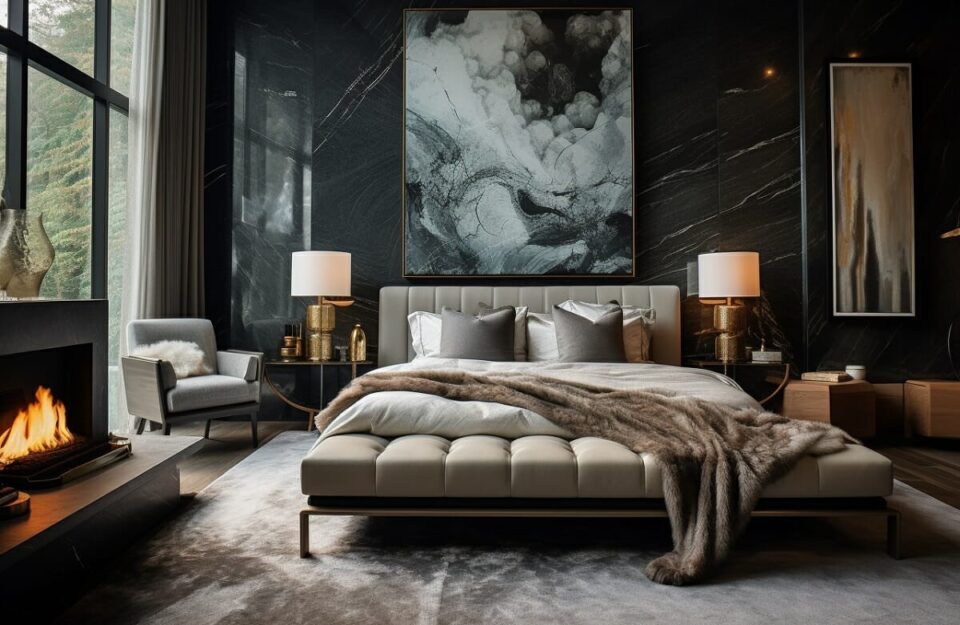
A bedroom should be more than just a place to sleep. It should feel calm, comfortable, and restorative from the moment you walk in. The way a bedroom is designed directly affects relaxation, sleep quality, mood, and overall well-being. Everything from lighting and color choices to furniture placement and bedding materials contributes to how restful the space feels.
Many people unintentionally create bedrooms that feel overstimulating instead of peaceful. Excess clutter, harsh lighting, uncomfortable furniture, and poor layout decisions can make it difficult for the mind and body to fully relax.
Designing a bedroom that promotes comfort does not require a luxury budget or a complete renovation. In most cases, thoughtful adjustments and intentional design choices can completely transform the atmosphere of the room.
Prioritize a Calm and Balanced Layout
The layout of a bedroom influences both comfort and functionality. A room that feels crowded or poorly organized can create stress without homeowners even realizing it.
Interior designers typically begin with furniture placement because flow matters. The bed should feel like the natural focal point of the room without obstructing movement.
A restful layout often includes:
- Clear walking paths
- Balanced spacing between furniture
- Minimal visual obstruction
- Easy access to storage
- Open areas that create breathing room
Avoid overcrowding the room with unnecessary furniture. Large dressers, oversized chairs, and excessive decor can make the bedroom feel heavy and confined.
Whenever possible, position the bed where it feels grounded and visually balanced. Many designers prefer placing the bed against the main wall with enough space on both sides for symmetry and easier movement.
Choose Soft and Relaxing Colors
Color has a significant psychological effect on relaxation and sleep quality. Bedrooms designed for rest usually rely on soothing and understated tones rather than highly saturated colors.
Soft neutrals and muted shades create a sense of calm because they reduce visual stimulation.
Popular relaxing bedroom colors include:
- Warm white
- Soft beige
- Sage green
- Dusty blue
- Taupe
- Muted gray
- Warm sand tones
These colors reflect light gently and create a more peaceful atmosphere.
Bright reds, intense oranges, and overly vibrant colors can feel energizing rather than calming. While bold accents may work in moderation, they are usually best used sparingly in sleep-focused spaces.
Layering similar tones throughout the room also creates visual harmony. Coordinated bedding, curtains, rugs, and wall colors help the space feel cohesive and serene.
Invest in Comfortable Bedding
The bed is the centerpiece of the bedroom, so comfort should be the top priority. Even the most beautifully designed bedroom will fail to feel restful if the bedding is uncomfortable.
High-quality bedding improves both physical comfort and visual softness.
Important bedding elements include:
- Breathable sheets
- Supportive pillows
- Comfortable mattress
- Layered blankets
- Soft duvet covers
Natural fabrics such as cotton, linen, and bamboo are often preferred because they regulate temperature and feel more breathable during sleep.
Layering textures also helps create a luxurious and inviting look. Combining soft throws, plush pillows, and textured bedding adds warmth without making the room feel cluttered.
Use Layered Lighting Instead of Harsh Overhead Lights
Lighting dramatically affects how restful a bedroom feels. Bright overhead lighting alone can make a space feel cold and overstimulating.
A relaxing bedroom typically includes multiple layers of lighting that can be adjusted depending on the time of day.
Effective bedroom lighting includes:
- Bedside lamps
- Wall sconces
- Soft overhead lighting
- Dimmable fixtures
- Warm-toned bulbs
Warm lighting creates a more calming environment compared to harsh white light. Many designers recommend bulbs with softer color temperatures because they feel gentler and more relaxing in the evening.
Natural light is equally important during the daytime. Bedrooms that receive balanced daylight often feel fresher and more uplifting. Sheer curtains can help soften sunlight while maintaining privacy.
Reduce Clutter and Visual Noise
Clutter can make it difficult for the brain to fully relax. Bedrooms filled with piles of clothing, crowded surfaces, and unnecessary decor often feel mentally exhausting.
A restful bedroom should feel visually calm.
Simple ways to reduce clutter include:
- Keeping nightstands organized
- Using concealed storage
- Limiting decorative accessories
- Clearing floor space
- Minimizing visible cords
Negative space also plays an important role. Empty areas create visual breathing room and make the space feel more open and peaceful.
This does not mean the room should feel empty or sterile. Instead, every object should feel intentional and contribute to the overall atmosphere.
Add Soft Textures Throughout the Room
Texture helps make a bedroom feel warm and inviting. Without texture, even beautiful bedrooms can feel flat or impersonal.
Soft materials encourage relaxation because they create physical and visual comfort.
Popular bedroom textures include:
- Linen bedding
- Wool throws
- Plush rugs
- Upholstered headboards
- Velvet cushions
- Knit blankets
Layering textures creates depth without relying on excessive decoration. A neutral bedroom becomes far more interesting when multiple materials and finishes work together.
Area rugs are especially effective because they soften the room acoustically and visually. A rug beneath the bed can also make the room feel more grounded and cozy.
Control Noise Levels
Sound has a major influence on sleep quality. Bedrooms exposed to excessive noise often feel less restful, even if the decor looks beautiful.
Soft materials help absorb sound naturally.
Noise-reducing design elements include:
- Thick curtains
- Upholstered furniture
- Rugs and carpets
- Fabric wall hangings
- Cushioned seating
White noise machines, soft background sounds, or air purifiers may also help create a quieter environment.
Designers often prioritize calm acoustics because restful spaces should engage all senses, not just sight.
Keep Technology to a Minimum
Modern bedrooms often contain televisions, laptops, charging stations, and multiple digital devices. While convenient, excessive technology can interfere with relaxation and sleep quality.
A bedroom designed for comfort should encourage mental rest.
Reducing visible electronics can help create a calmer atmosphere. Designers frequently recommend:
- Hiding cords and chargers
- Removing unnecessary screens
- Limiting work-related items
- Creating designated charging areas
A cleaner and simpler environment helps reinforce the bedroom’s purpose as a place for rest.
Use Window Treatments for Comfort and Privacy
Window treatments influence lighting, privacy, and temperature control.
Bedrooms feel more comfortable when curtains or shades help regulate brightness and outside distractions.
Effective bedroom window treatments include:
- Blackout curtains
- Layered drapery
- Soft linen curtains
- Roman shades
- Light-filtering fabrics
Blackout curtains are especially useful for improving sleep because they reduce outside light and create a darker sleeping environment.
Floor-length curtains also add softness and visual height, making the room feel more refined and comfortable.
Incorporate Natural Elements
Natural materials often make bedrooms feel calmer and more grounded.
Wood, stone, cotton, linen, and plants create warmth and connection to nature. Research in environmental psychology suggests that natural elements in interiors can help reduce stress and improve emotional well-being.
Simple natural additions include:
- Wooden furniture
- Indoor plants
- Natural fiber rugs
- Stone accessories
- Woven baskets
Plants can also improve air quality while introducing softness and life into the room.
However, moderation matters. Too many decorative items can overwhelm the calming atmosphere.
Focus on Air Quality and Temperature
Comfort extends beyond appearance. Temperature and air quality directly affect sleep quality and relaxation.
A bedroom that feels too hot, cold, or stuffy can disrupt rest regardless of how beautiful the decor may be.
Ways to improve comfort include:
- Using breathable fabrics
- Improving ventilation
- Adding air purifiers
- Keeping the room clean
- Using ceiling fans or humidifiers when needed
Many sleep experts recommend cooler bedroom temperatures because they support deeper and more restful sleep.
Personalize the Space Thoughtfully
A restful bedroom should still reflect personality and emotional comfort. Personal touches make the room feel welcoming and familiar.
Meaningful additions might include:
- Framed photographs
- Favorite books
- Personal artwork
- Travel souvenirs
- Sentimental decor
The key is restraint. Too many personal items can create visual clutter, while a few carefully selected pieces help the space feel authentic and emotionally comforting.
Maintain Simplicity and Balance
The most relaxing bedrooms are usually the ones that feel balanced rather than overly decorated.
Professional designers often focus on:
- Symmetry
- Clean lines
- Consistent color palettes
- Thoughtful spacing
- Comfortable functionality
Every design element should support relaxation instead of competing for attention.
Bedrooms designed with simplicity and comfort in mind tend to remain timeless because they prioritize well-being over temporary trends.
Why Bedroom Design Impacts Overall Wellness
Sleep affects nearly every aspect of physical and mental health. Since the bedroom environment influences sleep quality, thoughtful design can have long-term wellness benefits.
A peaceful bedroom can help support:
- Better sleep quality
- Reduced stress
- Improved mood
- Enhanced relaxation
- Better concentration
- Emotional comfort
Creating a restful space is not about perfection. It is about designing an environment that feels calm, functional, and emotionally supportive.
When a bedroom promotes comfort and tranquility, it becomes more than just a place to sleep. It becomes a space that encourages restoration and well-being every single day.
FAQ
What colors are best for a relaxing bedroom?
Soft neutrals, muted blues, sage greens, warm whites, and earthy tones are often considered the most calming colors for bedrooms.
How can I make a small bedroom feel more restful?
Reduce clutter, use lighter colors, maximize natural light, and avoid overcrowding the room with unnecessary furniture or decor.
Is minimalism necessary for a peaceful bedroom?
No. A bedroom can still feel cozy and personal while maintaining balance, organization, and visual calmness.
What type of lighting works best in bedrooms?
Warm layered lighting with bedside lamps, dimmable fixtures, and soft ambient light creates the most relaxing atmosphere.
Why is clutter harmful in a bedroom?
Clutter creates visual stress and mental overstimulation, making it harder for the brain to fully relax and unwind.
Should televisions be removed from bedrooms?
Many designers and sleep experts recommend minimizing screens in bedrooms because they can interfere with relaxation and sleep quality.
What materials make a bedroom feel cozier?
Soft natural materials such as cotton, linen, wool, wood, and plush textiles help create warmth and comfort in a bedroom.
