
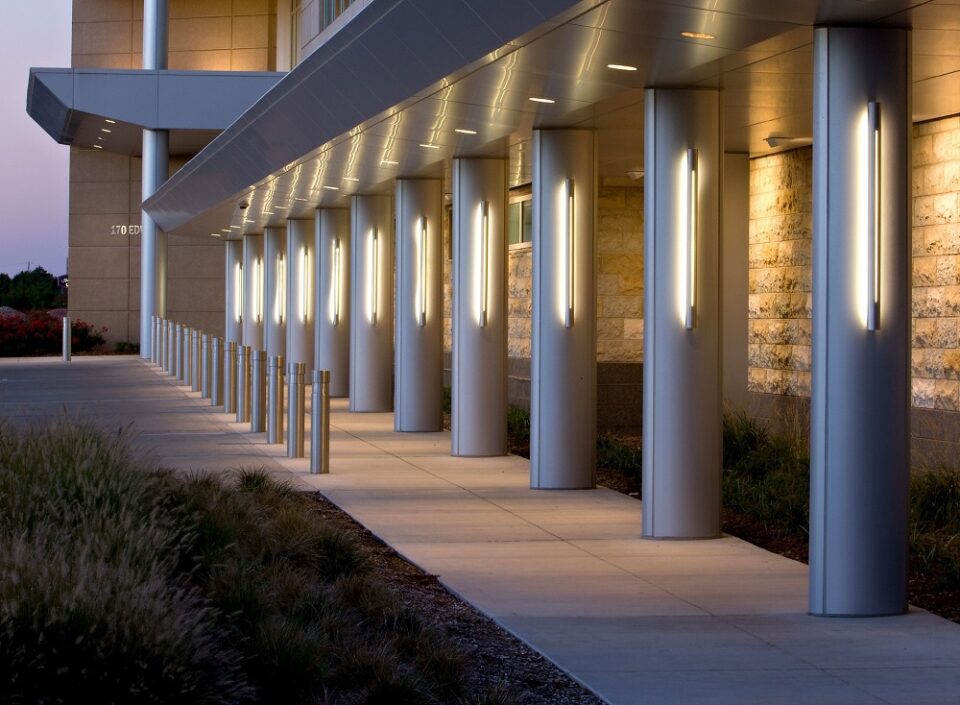
Architectural lighting plays a major role in shaping how buildings appear after sunset. While architecture defines the structure and character of a building during daylight hours, exterior lighting transforms that same structure into a visually engaging experience at night. Carefully designed lighting enhances architectural details, improves visibility, creates atmosphere, and strengthens the overall identity of a building.
Modern architectural lighting goes far beyond simple illumination. Designers now use advanced lighting techniques to highlight textures, emphasize geometry, create depth, and influence emotional perception. Whether applied to residential homes, commercial towers, museums, hotels, or public landmarks, exterior lighting has become an essential element of architectural presentation.
As cities continue growing and nighttime environments become increasingly important, architectural lighting is helping buildings stand out visually while also improving functionality, safety, and energy efficiency.
Understanding Architectural Exterior Lighting
Architectural exterior lighting refers to the strategic use of lighting systems to illuminate and enhance the outer appearance of buildings and surrounding spaces.
The main goals of exterior architectural lighting include:
- Highlighting design features
- Improving nighttime visibility
- Creating visual drama
- Enhancing safety
- Reinforcing brand identity
- Increasing property appeal
Lighting designers carefully consider how light interacts with building materials, textures, shapes, and surrounding landscapes.
Effective architectural lighting balances aesthetics with practicality while complementing the building’s architectural style.
Lighting Enhances Architectural Character
Every building has unique architectural characteristics that can be emphasized through lighting design.
Exterior lighting helps reveal details that may not be noticeable during the day, including:
- Facade textures
- Structural lines
- Columns
- Arches
- Balconies
- Rooflines
- Decorative elements
By directing light strategically, designers create visual hierarchy and guide attention toward important architectural features.
Lighting can make buildings appear:
- More elegant
- More dramatic
- More modern
- More inviting
- More prestigious
The right lighting design strengthens the building’s identity and visual impact.
Facade Lighting Creates Visual Depth
Facade lighting is one of the most common techniques used in exterior architectural illumination.
Facade lighting focuses on illuminating the outer surface of a building to create depth, dimension, and texture.
Popular facade lighting techniques include:
- Wall washing
- Grazing
- Spotlighting
- Uplighting
- Silhouette lighting
Wall washing evenly illuminates large surfaces, while grazing highlights textured materials such as stone, brick, or concrete by casting shadows across uneven surfaces.
These techniques add visual richness and help buildings appear more dynamic at night.
Exterior Lighting Improves Curb Appeal
Architectural lighting significantly improves curb appeal for residential and commercial properties.
A well-lit exterior creates a stronger first impression and enhances the overall perception of the property.
Benefits of improved curb appeal include:
- Increased property value
- Greater visual attractiveness
- Improved marketability
- Enhanced neighborhood appearance
For residential homes, exterior lighting creates warmth and sophistication.
For commercial buildings, lighting can strengthen brand visibility and attract visitors or customers.
Nighttime presentation has become an important factor in modern architectural design.
Lighting Supports Safety and Security
Beyond aesthetics, exterior architectural lighting improves safety and security around buildings.
Proper illumination helps reduce accidents by improving visibility around:
- Walkways
- Entrances
- Staircases
- Parking areas
- Landscape features
Security lighting also discourages unauthorized activity by eliminating dark or concealed areas.
However, successful architectural lighting avoids excessive brightness that may create glare or visual discomfort.
Balanced lighting design supports both safety and visual appeal simultaneously.
Color Temperature Influences Building Appearance
Color temperature plays a major role in determining the emotional tone and visual character of exterior lighting.
Warm lighting creates a softer and more welcoming atmosphere, while cooler lighting produces a cleaner and more modern appearance.
Common lighting temperatures include:
- Warm white
- Neutral white
- Cool white
Warm lighting is often used for:
- Historic buildings
- Luxury residences
- Hotels
- Traditional architecture
Cool lighting is frequently used for:
- Modern commercial buildings
- Contemporary architecture
- Urban high-rises
Selecting the right color temperature helps reinforce architectural style and desired mood.
LED Technology Revolutionized Architectural Lighting
The rise of LED lighting technology has transformed architectural exterior lighting significantly.
LED systems offer several advantages over traditional lighting technologies.
Benefits include:
- Energy efficiency
- Long lifespan
- Lower maintenance costs
- Flexible color control
- Compact fixture design
- Reduced heat generation
LED lighting allows designers to create sophisticated lighting effects while reducing energy consumption.
Modern LED systems also support programmable lighting scenes and dynamic color-changing effects for large buildings and landmarks.
Dynamic Lighting Creates Interactive Experiences
Dynamic architectural lighting uses programmable systems to adjust brightness, color, and lighting patterns over time.
These systems can create:
- Seasonal lighting themes
- Event-based displays
- Animated facade effects
- Interactive public experiences
Many modern skyscrapers, bridges, stadiums, and cultural landmarks now use dynamic lighting to create recognizable nighttime identities.
Dynamic lighting helps buildings become visual landmarks within urban environments.
Advanced lighting control systems allow designers to customize illumination for specific events or branding purposes.
Landscape Lighting Complements Building Design
Architectural lighting often extends beyond the building itself into surrounding landscapes and outdoor environments.
Landscape lighting enhances features such as:
- Trees
- Gardens
- Water elements
- Pathways
- Courtyards
- Outdoor seating areas
Integrating landscape and architectural lighting creates cohesive nighttime compositions.
Well-designed outdoor lighting improves spatial continuity and strengthens the relationship between the building and its environment.
Landscape illumination also enhances usability of outdoor spaces after dark.
Historic Buildings Benefit From Thoughtful Lighting
Historic architecture requires careful lighting strategies that preserve architectural integrity while improving nighttime visibility.
Lighting designers often use subtle techniques to highlight:
- Ornamental details
- Historic materials
- Structural symmetry
- Cultural significance
Overly aggressive lighting can damage the visual authenticity of historic buildings.
Successful historic lighting projects balance preservation with modern illumination technology.
Many cities use architectural lighting to celebrate cultural heritage and tourism landmarks.
Commercial Buildings Use Lighting for Branding
Exterior lighting has become an important branding tool for commercial architecture.
Businesses use lighting to create memorable visual identities that strengthen customer recognition.
Commercial lighting applications often emphasize:
- Corporate logos
- Entrance visibility
- Building outlines
- Signature colors
- Architectural uniqueness
Hotels, retail centers, office towers, and entertainment venues frequently invest heavily in nighttime architectural presentation.
Lighting helps reinforce brand perception and attract public attention.
Urban Skylines Depend on Architectural Lighting
Architectural lighting plays a major role in shaping the visual identity of modern cities.
Illuminated buildings contribute to:
- Skyline recognition
- Tourism appeal
- Cultural identity
- Nighttime economic activity
Many global cities are recognized partly because of their illuminated architectural landmarks.
Carefully designed lighting helps create vibrant nighttime environments while enhancing public perception of urban spaces.
Urban lighting strategies often balance aesthetics, energy use, and environmental concerns.
Sustainability Is Becoming More Important
As environmental awareness increases, sustainable lighting design has become a major focus within architecture.
Sustainable exterior lighting strategies include:
- Energy-efficient LED systems
- Smart lighting controls
- Motion sensors
- Timed dimming systems
- Solar-powered fixtures
Reducing unnecessary illumination helps lower energy consumption and operational costs.
Sustainable lighting design also addresses concerns related to light pollution and ecological impact.
Architects and lighting designers increasingly prioritize environmentally responsible solutions.
Light Pollution Requires Careful Management
Although exterior lighting improves visual appeal, excessive or poorly designed lighting can create light pollution.
Light pollution may negatively affect:
- Wildlife behavior
- Human sleep cycles
- Night sky visibility
- Energy efficiency
Responsible lighting design minimizes unnecessary upward or excessive illumination.
Strategies for reducing light pollution include:
- Shielded fixtures
- Directional lighting
- Controlled brightness levels
- Smart timing systems
Good architectural lighting enhances buildings without overwhelming surrounding environments.
Smart Lighting Systems Improve Control
Modern smart lighting systems allow building owners to manage exterior illumination more efficiently.
Smart lighting features often include:
- Remote control access
- Automated scheduling
- Motion detection
- Brightness adjustment
- Energy monitoring
These technologies improve operational flexibility and reduce maintenance requirements.
Smart systems also allow buildings to adapt lighting conditions based on occupancy, weather, or special events.
The integration of lighting with building automation systems continues expanding rapidly.
Psychological Effects of Exterior Lighting
Lighting influences emotional perception and human behavior in powerful ways.
Well-designed architectural lighting can make buildings feel:
- More welcoming
- More luxurious
- More secure
- More dramatic
- More prestigious
Brightly illuminated public spaces often encourage greater social activity and nighttime engagement.
Poor lighting, on the other hand, may create discomfort or reduce perceived safety.
Understanding psychological responses helps designers create more effective and appealing nighttime environments.
Architectural Lighting and Material Interaction
Different building materials respond uniquely to light.
Lighting designers carefully consider how materials such as:
- Glass
- Stone
- Concrete
- Metal
- Wood
- Brick
Reflect, absorb, or diffuse illumination.
Textured materials often create stronger shadow effects, while reflective surfaces may require softer lighting techniques.
Material interaction plays a critical role in achieving balanced and visually pleasing results.
The Future of Architectural Exterior Lighting
Architectural lighting continues evolving through advancements in technology, sustainability, and digital control systems.
Future trends may include:
- AI-driven lighting automation
- Adaptive environmental lighting
- Interactive public lighting systems
- Advanced energy optimization
- Integration with smart cities
- Human-centered lighting design
As urban environments become more technologically connected, architectural lighting will likely play an even greater role in shaping nighttime experiences.
Innovation continues expanding the creative possibilities available to architects and lighting designers.
Conclusion
Architectural lighting has become an essential component of modern building design, significantly enhancing exterior visual appeal, safety, identity, and functionality. Through strategic illumination techniques, lighting designers can highlight architectural features, create emotional atmosphere, and transform buildings into memorable nighttime landmarks.
Advancements in LED technology, smart controls, dynamic lighting systems, and sustainable design practices continue improving the effectiveness and flexibility of exterior architectural lighting. Whether applied to residential properties, commercial buildings, historic landmarks, or urban skylines, lighting remains a powerful tool for shaping how architecture is experienced after dark.
As cities and buildings continue evolving, architectural lighting will remain central to creating visually engaging, functional, and environmentally responsible nighttime environments.
Frequently Asked Questions
1. What is architectural exterior lighting?
Architectural exterior lighting involves using lighting systems to enhance the appearance, visibility, and functionality of building exteriors.
2. Why is exterior lighting important in architecture?
Exterior lighting improves visual appeal, highlights architectural details, increases safety, and strengthens building identity.
3. What are common architectural lighting techniques?
Common techniques include wall washing, uplighting, spotlighting, grazing, silhouette lighting, and facade illumination.
4. How do LED lights improve architectural lighting?
LED lights provide energy efficiency, long lifespan, flexible color control, and lower maintenance costs.
5. What is the role of color temperature in exterior lighting?
Color temperature influences the mood and visual character of a building, ranging from warm and inviting to cool and modern.
6. How does architectural lighting affect property value?
Well-designed lighting can improve curb appeal, strengthen visual attractiveness, and increase perceived property value.
7. What is light pollution in architectural lighting?
Light pollution occurs when excessive or poorly directed lighting negatively affects the environment, visibility, and energy efficiency.
