
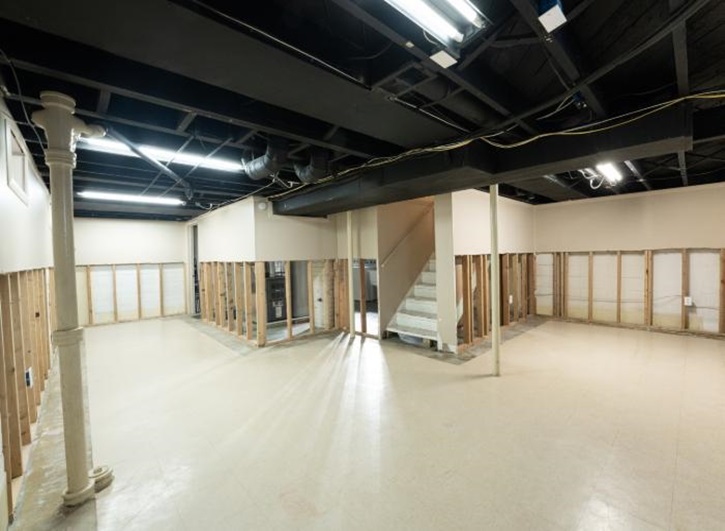
Most people do not spend much time thinking about what is underneath their house. Walls, floors, windows, and doors get more attention because you see them every day. The foundation usually stays out of sight until something changes.
A crack appears near a doorway. A floor starts to feel uneven. A window that used to open easily begins to stick. These small changes don’t always mean a major structural problem, but they may be worth watching.
That is one reason foundation repair in Greenwood has become a bigger conversation. People are learning more about how soil, moisture, drainage, weather, and age may affect a structure over time. Knowing what to look for may make it easier to notice changes early and ask better questions before a minor issue grows.
Small Cracks Deserve a Closer Look
Cracks are often the first thing people notice. They may appear in drywall, concrete, brick, basement walls, or around doors and windows.
Some cracks are related to normal settling. Others may point to ongoing movement. The challenge is knowing the difference.
Instead of focusing on one crack alone, pay attention to how it changes. Is it getting wider? Is it spreading? Are new cracks appearing nearby? Does the crack run vertically, horizontally, or in a stair-step pattern through masonry?
Taking photos every few months gives you a simple record to compare. Measurements may also make changes easier to spot.
The Federal Emergency Management Agency includes foundation cracks, uneven floors, sticking doors, and other visible changes among signs worth documenting when structural movement is suspected. You can review FEMA information at FEMA.gov.
Soil Movement Plays a Major Role
A house does not sit on perfectly still ground. Soil changes as moisture levels rise and fall.
Some soil types expand when they absorb water and shrink when they dry. Over time, repeated movement can stress a foundation. Heavy rainfall, long dry periods, erosion, poor grading, and drainage problems may all affect the soil around a structure.
Landscaping may also make a difference. Large trees, drainage paths, irrigation, and changes in the slope around a house may influence how much moisture reaches the soil near the foundation.
The key point is that a visible crack may result from something happening below the surface. Looking at the surrounding conditions gives more context.
Water Around the House Matters
Water is one of the most important things to watch near a foundation.
Rainwater should move away from the house instead of collecting beside exterior walls. Clogged gutters, short downspouts, low areas in the yard, or poor grading may keep water close to the structure.
Plumbing leaks may also create hidden moisture problems.
Repeated wet-and-dry cycles may cause soil to shift. In some cases, water may also enter basements or crawl spaces through small openings.
Simple maintenance makes a difference. Keep gutters clear, check downspouts, watch for pooling water, and watch areas that stay wet long after a storm.
FEMA also provides guidance on protecting property from water-related damage and managing runoff around structures.
Interior Changes May Reveal Movement
Not every sign appears directly on the foundation.
Changes inside the house may also deserve attention. Doors may begin rubbing against their frames. Windows may become difficult to open. Gaps may appear around trim, cabinets, or walls.
Floors may feel uneven, and cracks may appear above doors or where walls meet ceilings.
One symptom by itself may have several possible causes. For example, a sticking door may result from humidity. However, several changes happening at the same time may suggest that the structure deserves a closer look.
Modern foundation repair evaluations often focus on patterns rather than one isolated symptom.
Better Technology Has Changed Inspections
Foundation inspections have become more detailed than simply looking at cracks.
Professionals may use elevation measurements to compare different parts of the floor. Laser levels may reveal slopes that are difficult to notice by eye. Moisture meters may identify areas where water is affecting building materials.
Drainage conditions, soil changes, and visible structural movement may also be documented.
These tools give inspectors more information. They may also make it easier to compare current conditions with future measurements.
Better information may prevent unnecessary work when movement is minor, while also making serious problems easier to identify.
There Is No Single Foundation Fix
Foundation problems are not all the same, so the solution should not be the same either.
Depending on the situation, repairs may involve pier systems, slab stabilization, wall support, crack repair, drainage improvements, or moisture control.
The foundation type matters. Soil conditions matter. The location and direction of movement matter too.
For that reason, foundation repair should focus on the cause of the problem instead of simply covering visible damage. Filling a crack may improve its appearance, but it may not resolve the movement that caused the crack in the first place.
A proper evaluation gives context before decisions are made.
Waiting May Create More Complications
Small structural changes sometimes stay minor. Others continue over time.
If movement continues, it may affect more than the foundation. Drywall may crack further. Flooring may separate. Doors and windows may stop working properly. Exterior brick may shift.
Plumbing may also be affected in some situations.
The point is not to panic when you notice a crack. It is to stay aware.
Document changes, watch drainage, and pay attention when several warning signs appear together. Early awareness gives you more information and more time to decide what deserves professional attention.
Why More People Are Talking About Foundations
People have more access to home maintenance information than ever before. Videos, inspection reports, digital measuring tools, and public resources have made structural topics easier to understand.
Weather patterns also keep foundation concerns in the spotlight. Periods of heavy rain followed by dry conditions may cause noticeable changes in certain soil types.
At the same time, many houses are getting older. As structures age, people are paying closer attention to maintenance that may have been ignored in the past.
The growing conversation around foundation repair is really about understanding how the structure beneath a house affects everything above it.
Final Thoughts
A crack does not automatically mean a major structural problem. Neither does a sticking door or slightly uneven floor.
What matters is the pattern.
Pay attention to changes over time. Watch how water moves around your house. Keep gutters and drainage systems working properly. Take photos when something seems unusual.
Most importantly, don’t ignore warning signs just because each one seems small on its own.
Learning how foundations, soil, moisture, and structural movement work together makes it easier to recognize when something deserves a closer look. A little awareness today may prevent a much bigger surprise later.
If you are noticing cracks, shifting floors, sticking doors, or other structural changes, Greenwood Foundation Repair Specialists provides professional evaluations and foundation repair solutions based on the conditions affecting your property. Contact us to discuss what you are seeing and learn more about the next appropriate step.
