
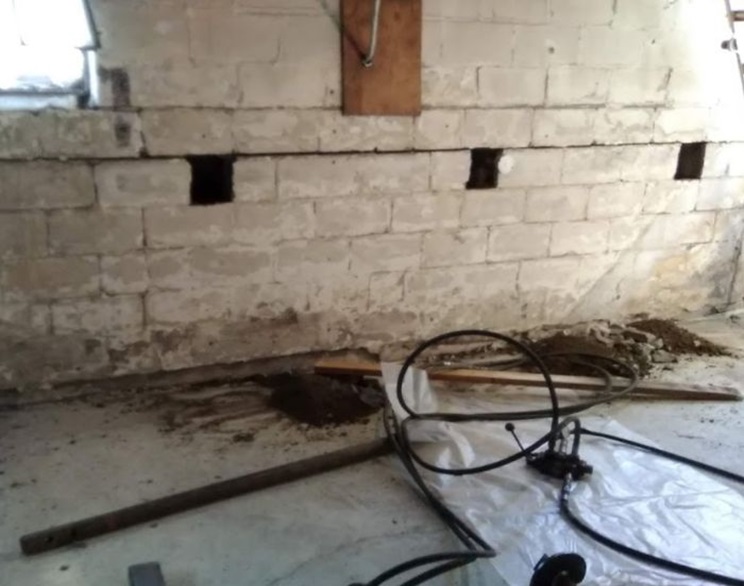
Home maintenance is easier to manage when homeowners understand which problems need immediate attention and which can be monitored over time. While roofing, plumbing, and heating systems often receive regular attention, the foundation is sometimes overlooked until visible changes appear. Cracks in basement walls, uneven floors, and persistent moisture can raise questions about the condition of a home’s structure. Scheduling a foundation inspection in Farmington can help homeowners better understand these concerns and develop a more informed approach to property maintenance.
Homeowners who want to explore professional evaluation options can click here to learn more about available foundation services. An inspection can provide useful information about visible structural conditions, drainage concerns, and possible signs of movement. Rather than waiting until a problem becomes disruptive, homeowners can use inspection findings to determine which maintenance activities deserve priority.
Why Foundation Maintenance Often Gets Overlooked
Most homeowners regularly interact with visible parts of their property.
They notice when paint begins peeling, gutters become clogged, or flooring shows signs of wear. Foundation conditions, however, may develop in areas that are less frequently examined.
Basement walls can be hidden behind storage, while exterior foundation surfaces may be partially covered by landscaping.
As a result, small changes can go unnoticed for extended periods.
Routine observations can help homeowners become familiar with the property’s existing condition.
Recognizing what is normal for a particular home makes it easier to identify changes that may require professional attention.
Seasonal Weather Can Influence Foundation Conditions
Farmington homeowners experience seasonal temperature changes, rainfall, snow, and periods of freezing weather.
These conditions can affect the soil and moisture levels surrounding a property.
Some soils expand when wet and contract as they dry. Freezing temperatures may also contribute to ground movement under certain conditions.
However, the effect on a foundation depends on soil characteristics, drainage, construction methods, and the depth of structural components.
Not every seasonal change causes foundation damage.
Homeowners should focus on identifying unusual or progressive symptoms rather than assuming that every crack is weather-related.
A professional evaluation can help determine whether environmental conditions may be contributing to observed changes.
Learn What Different Cracks May Mean
Cracks are among the most recognizable signs that prompt foundation concerns.
However, cracks can develop for several reasons, including concrete shrinkage, normal material movement, settlement, or structural stress.
A narrow crack that remains unchanged may have a different significance from one that continues widening.
Crack direction, location, and associated movement also matter.
For example, a horizontal crack accompanied by visible wall displacement may warrant prompt structural assessment.
Homeowners should avoid attempting to diagnose foundation problems based solely on photographs or general descriptions.
A qualified professional can evaluate the broader conditions and recommend further investigation when necessary.
Basement Moisture Should Be Taken Seriously
A damp basement can affect more than comfort.
Recurring moisture may damage stored belongings, contribute to deterioration of certain building materials, and create conditions favorable to mold growth.
Water stains, musty odors, and peeling finishes can indicate that moisture is entering or accumulating in the space.
The U.S. Environmental Protection Agency explains that controlling moisture is essential for preventing many indoor mold problems.
During a foundation inspection in Farmington, visible moisture concerns may help identify areas requiring additional investigation.
However, moisture intrusion does not automatically mean that the foundation is structurally unstable.
The underlying cause should be established before selecting a corrective approach.
Check How Rainwater Moves Around the Property
Exterior drainage plays an important role in foundation maintenance.
Gutters collect roof runoff, while downspouts and grading influence where that water travels.
When these systems are not functioning properly, rainwater may accumulate near foundation walls.
Low areas in the yard can also contribute to persistent pooling.
Homeowners can observe the property after rainfall to identify where water collects and whether drainage paths appear blocked.
Keeping gutters clear and maintaining appropriate drainage can help reduce unnecessary moisture exposure.
More complicated drainage problems may require professional evaluation to determine a suitable solution.
Uneven Floors Are Worth Investigating
A floor that feels slightly uneven does not always indicate a serious structural problem.
Older homes may have irregular surfaces resulting from construction methods, framing changes, or long-term material movement.
However, new or worsening slopes can sometimes be associated with settlement or other structural concerns.
Homeowners should pay attention to whether unevenness develops gradually or appears alongside additional symptoms.
Cracks near doorways, changes in wall alignment, and sticking doors may provide useful context.
A foundation assessment can help determine whether further structural evaluation is appropriate.
Pay Attention to Changes Around Doors and Windows
Doors and windows can reveal subtle changes in a building.
A door that begins rubbing against its frame or a window that becomes difficult to operate may suggest an alignment issue.
These problems can also result from humidity, worn hardware, or ordinary changes in building materials.
One sticking door does not necessarily indicate foundation movement.
However, several openings developing similar problems may justify closer examination, particularly when other symptoms are present.
Homeowners should note when these changes began and whether they continue to worsen.
Such observations can be useful during a professional inspection.
Understand What an Inspection Can Reveal
The scope of a foundation evaluation varies depending on the property and the concerns being investigated.
A professional may examine accessible foundation walls, visible cracks, basement conditions, exterior grading, and signs of structural movement.
The homeowner may also be asked about previous repairs and the history of observed symptoms.
Measurements or additional specialized assessments may be recommended when conditions are unclear.
Some situations require evaluation by a structural engineer.
Before scheduling an inspection, homeowners should ask what areas will be examined and whether written findings will be provided.
Understanding the inspection process helps establish realistic expectations.
Turn Inspection Findings Into a Maintenance Plan
An inspection can be especially useful when homeowners receive clear explanations of the conditions identified.
Some findings may require routine monitoring, while others may justify drainage improvements, localized repairs, or further investigation.
More significant structural problems may require a formal repair plan.
Homeowners should ask which concerns deserve immediate attention and which can reasonably be addressed through scheduled maintenance.
For those considering a foundation inspection in Farmington, this distinction can help prioritize expenses without assuming that every visible defect requires extensive repairs.
A practical maintenance plan should reflect the property’s actual condition rather than a one-size-fits-all schedule.
Avoid Covering Problems Without Understanding Them
Cosmetic improvements can make damaged surfaces look better, but they do not necessarily address underlying causes.
Painting over a recurring crack or covering a damp basement wall may temporarily hide visible symptoms.
If movement or moisture intrusion continues, the problem may reappear.
Before completing cosmetic repairs, homeowners should determine whether the condition is stable and whether additional work is necessary.
This is particularly important when planning basement finishing, flooring replacement, or other improvements that could conceal existing foundation surfaces.
Understanding the cause first can help prevent unnecessary repeated work.
Keep Useful Records for Future Reference
Foundation maintenance becomes easier when homeowners document changes over time.
Photographs of cracks, notes about basement moisture, and records of previous repairs can provide useful historical information.
Inspection reports should also be retained when available.
These documents may help professionals compare current conditions with earlier observations.
Homeowners can periodically review visible areas and record meaningful changes.
However, documentation should not replace professional evaluation when symptoms indicate potentially significant structural movement.
New or worsening problems should receive appropriate attention.
Build Long-Term Confidence Through Preventive Care
A foundation supports the entire home, making its condition an important part of responsible property maintenance. Although not every crack or uneven surface indicates serious damage, understanding visible changes can help homeowners respond appropriately. Regular observations, effective drainage maintenance, and timely professional evaluations can support better decisions about the property’s structural condition.
For homeowners considering a foundation inspection in Farmington, Farmington Foundation Repair Specialists can help discuss foundation concerns and available inspection services. Contact the company to arrange an evaluation, understand potential maintenance needs, and develop a more informed plan for protecting your home over time.
