
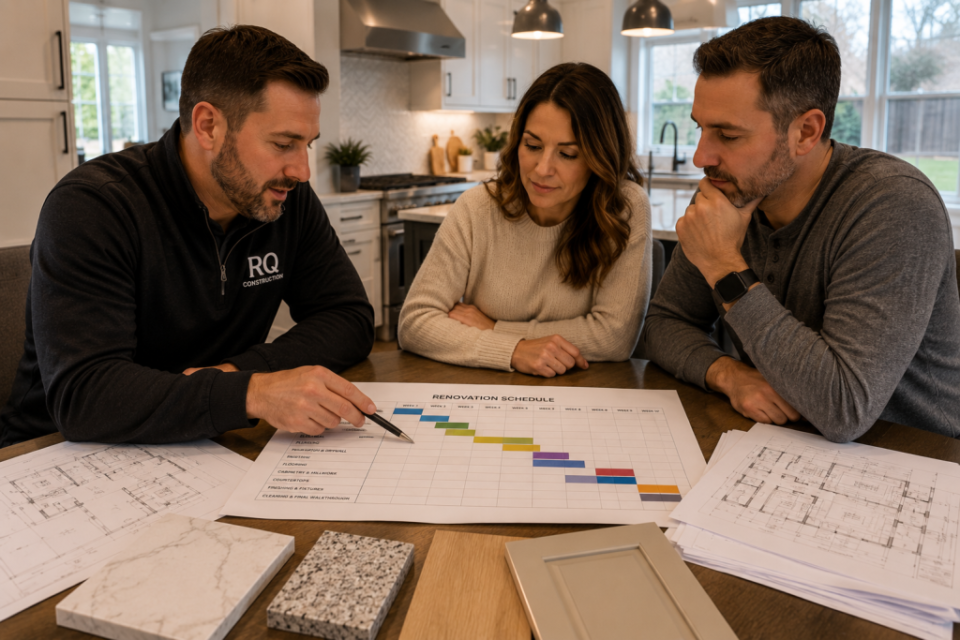
Residential renovation projects often begin with excitement and inspiration. Homeowners imagine updated kitchens, expanded living spaces, modern bathrooms, or fully transformed interiors. However, one of the most underestimated aspects of any renovation is the timeline. Many projects take longer than homeowners initially expect due to planning requirements, permit approvals, material delays, labor coordination, and unforeseen structural issues.
Understanding realistic renovation timelines helps homeowners prepare financially, manage expectations, reduce stress, and make smarter decisions throughout the process. Every renovation project moves through multiple stages, and each stage requires careful coordination to avoid delays and costly mistakes.
While no two renovations follow the exact same schedule, most projects share common phases and timing patterns that homeowners should understand before construction begins.
Why Renovation Timelines Matter
Timeline planning affects nearly every part of a renovation project.
A realistic schedule helps homeowners:
- Plan temporary living arrangements
- Coordinate contractors effectively
- Manage budgets more accurately
- Reduce disruptions to daily life
- Prevent rushed decisions
- Improve project organization
Poor timeline expectations can create frustration, financial strain, and unnecessary pressure during construction.
Professional contractors often emphasize that renovation projects involve many moving parts, and delays are common even in well-managed projects.
Factors That Influence Renovation Timelines
Several variables affect how long a renovation project takes.
The most significant factors include:
- Project size
- Structural complexity
- Permit approvals
- Contractor availability
- Material lead times
- Weather conditions
- Existing home condition
- Design revisions
A cosmetic update may take only a few weeks, while a major whole-home renovation could last several months or longer.
Older homes often require additional time because hidden plumbing, electrical, or structural problems may not appear until demolition begins.
The Planning Phase
Many homeowners assume construction starts immediately after deciding to renovate, but the planning phase alone can take weeks or months.
This phase typically includes:
- Defining project goals
- Setting a budget
- Hiring contractors or designers
- Creating design plans
- Selecting materials
- Reviewing timelines
The planning stage is critical because rushed decisions often lead to delays later.
For example, changing layouts or materials after construction begins can disrupt schedules significantly.
Large renovation projects often involve architects, engineers, interior designers, and permitting specialists, all of whom contribute to the planning timeline.
Design and Material Selection Timeline
Design and material selection usually take longer than homeowners expect.
This phase may include choosing:
- Flooring
- Cabinetry
- Countertops
- Plumbing fixtures
- Paint colors
- Appliances
- Lighting
- Tile
- Hardware
Some materials may have long manufacturing or shipping lead times.
Custom cabinetry, specialty tile, imported fixtures, and made-to-order furniture can delay construction if selections are not finalized early.
Professional contractors often encourage homeowners to finalize as many decisions as possible before demolition begins.
Permit Approval Timelines
Many renovation projects require permits before work can legally begin.
Permit requirements vary depending on:
- Structural changes
- Electrical work
- Plumbing updates
- Additions
- HVAC modifications
Permit approvals may take anywhere from several days to several weeks depending on the municipality and project complexity.
In some cases, revisions requested by local building departments can extend timelines further.
Skipping permits to save time is risky because it may create legal, financial, and insurance complications later.
Demolition Phase Expectations
Once permits and planning are complete, demolition typically begins.
Demolition timelines depend on:
- Project size
- Structural complexity
- Safety precautions
- Debris removal requirements
Small bathroom demolitions may take only a few days, while whole-home gut renovations can take several weeks.
Unexpected discoveries during demolition are common.
Contractors may uncover:
- Water damage
- Mold
- Outdated wiring
- Structural deterioration
- Plumbing problems
- Code violations
These hidden issues often extend project timelines because repairs must be completed before new construction can proceed safely.
Structural and Framing Work
If the renovation involves layout changes, additions, or wall removals, structural work follows demolition.
This phase may include:
- Framing new walls
- Reinforcing load-bearing structures
- Roof modifications
- Window installation
- Foundation adjustments
Structural work often requires inspections before contractors can continue to the next phase.
Inspection scheduling may create temporary pauses in construction timelines depending on local building department availability.
Plumbing, Electrical, and HVAC Installation
After framing, contractors install or update major mechanical systems.
This phase typically includes:
- Plumbing rough-ins
- Electrical wiring
- HVAC ductwork
- Gas line installation
These systems must be carefully coordinated because multiple trades may work simultaneously within limited spaces.
Inspections are usually required before walls are closed.
Scheduling different subcontractors efficiently is one of the biggest challenges during renovation projects.
Even minor delays from one trade can impact the entire project timeline.
Insulation and Drywall Phase
Once mechanical systems pass inspection, insulation and drywall installation begin.
This stage dramatically changes the appearance of the renovation because rooms start looking more complete.
The drywall process includes:
- Hanging drywall
- Taping seams
- Applying joint compound
- Sanding surfaces
- Priming walls
Drywall finishing requires drying time between coats, which can slow progress slightly.
Dust management also becomes important during this phase.
Flooring, Cabinetry, and Interior Finishes
Interior finishing phases often take longer than homeowners expect because they involve many detailed tasks.
This stage may include:
- Flooring installation
- Cabinet installation
- Countertop fitting
- Tile work
- Trim carpentry
- Interior doors
- Painting
- Lighting fixtures
Custom elements frequently affect timelines.
For example:
- Countertops may require templating after cabinets are installed
- Specialty tile installation may require extended labor
- Paint curing times may delay additional work
Finishing phases demand precision and coordination to maintain quality standards.
Appliance and Fixture Installation
Toward the end of the project, appliances and plumbing fixtures are installed.
This includes:
- Refrigerators
- Dishwashers
- Sinks
- Faucets
- Toilets
- Bathtubs
- Light fixtures
Scheduling deliveries properly is essential because damaged or delayed products can postpone completion.
Backordered appliances have become a common source of renovation delays in recent years.
Final Inspections and Punch Lists
Before a project is considered complete, final inspections and corrections typically occur.
This phase includes:
- Code compliance inspections
- Contractor walkthroughs
- Touch-up work
- Final adjustments
- Cleaning
Homeowners usually create a punch list identifying minor issues that still require attention.
Examples may include:
- Paint touch-ups
- Hardware adjustments
- Minor grout repairs
- Fixture alignment
Although the project may appear nearly complete, this phase still requires time for corrections and approvals.
Typical Timelines for Common Renovation Projects
While timelines vary, homeowners can generally expect the following ranges:
Bathroom Renovation
Typical timeline:
- 3 to 8 weeks
Factors affecting duration:
- Tile complexity
- Plumbing relocation
- Custom cabinetry
- Structural changes
Kitchen Renovation
Typical timeline:
- 6 to 12 weeks
Factors affecting duration:
- Cabinet lead times
- Appliance delivery
- Electrical upgrades
- Countertop fabrication
Whole-Home Renovation
Typical timeline:
- 4 to 12 months
Factors affecting duration:
- Structural modifications
- Permit approvals
- Multiple room coordination
- Material sourcing
Room Additions
Typical timeline:
- 3 to 9 months
Factors affecting duration:
- Foundation work
- Roofing
- Exterior construction
- Utility integration
These estimates assume relatively smooth project conditions without major delays.
Common Causes of Renovation Delays
Delays are extremely common in residential renovations.
Frequent causes include:
Material Backorders
Custom products and imported materials may experience shipping delays.
Design Changes
Mid-project revisions often require additional labor and rescheduling.
Hidden Structural Issues
Problems concealed behind walls may require unexpected repairs.
Weather Conditions
Exterior work may pause during heavy rain, snow, or extreme temperatures.
Labor Availability
Skilled contractor scheduling can affect timelines significantly.
Inspection Delays
Local permit offices sometimes experience scheduling backlogs.
Understanding these risks helps homeowners prepare more realistic expectations.
How to Reduce Renovation Delays
Although some delays are unavoidable, proactive planning can help keep projects on schedule.
Helpful strategies include:
- Finalizing designs early
- Ordering materials in advance
- Hiring experienced contractors
- Building contingency time into schedules
- Maintaining clear communication
- Avoiding unnecessary mid-project changes
Professional project management plays a major role in timeline efficiency.
Well-organized projects tend to move more smoothly because scheduling conflicts and decision delays are minimized.
Why Flexibility Is Important During Renovations
Even carefully planned projects rarely follow the exact original schedule.
Unexpected discoveries, weather conditions, and supplier issues are common in construction environments.
Homeowners who remain flexible and realistic about timelines typically experience less stress throughout the renovation process.
It is often wise to plan temporary accommodations or backup arrangements if kitchens, bathrooms, or major living areas become unusable during construction.
Patience is important because rushing contractors often increases the likelihood of mistakes and lower-quality workmanship.
Quality Should Matter More Than Speed
Fast renovations may sound appealing, but quality craftsmanship requires time.
Careful installation, proper curing times, accurate measurements, and thorough inspections all contribute to long-term durability and performance.
A rushed renovation can lead to:
- Poor finishes
- Installation errors
- Future repairs
- Structural problems
- Lower resale value
Experienced contractors usually prioritize quality over unrealistic deadlines.
A well-executed renovation should improve both functionality and long-term value for many years.
FAQ
How long does a typical home renovation take?
Timelines vary depending on project size and complexity. Small renovations may take a few weeks, while whole-home remodels can last several months or longer.
Why do renovation projects often take longer than expected?
Unexpected structural issues, permit delays, material shortages, and design changes commonly extend renovation timelines.
What part of a renovation usually takes the longest?
Custom cabinetry, countertop fabrication, inspections, and detailed finishing work often consume the most time.
Can homeowners live in the house during renovations?
It depends on the project scope. Smaller renovations may allow occupancy, while major kitchen or whole-home projects can make daily living difficult.
How early should renovation planning begin?
Planning should ideally begin several months before construction starts to allow time for design decisions, contractor hiring, and material ordering.
Do permits slow down renovation projects?
Permit approvals can add time to a project, but they are necessary for code compliance, safety, and legal protection.
How can I avoid renovation timeline problems?
Finalize decisions early, order materials ahead of time, communicate clearly with contractors, and build flexibility into the schedule.
